Heat Pump vs Hybrid Heat Pump UK (2026): Which Is Right?
Full air-source heat pump vs hybrid (ASHP + gas boiler) in UK 2026. BUS grant gap, running cost, and when hybrid actually makes sense.

'Hybrid heat pump' is one of the most-marketed and least-understood concepts in UK domestic heating in 2026. Installer companies promote hybrids as the safe middle ground; manufacturers slot them between gas boilers and full heat pumps. The reality is more nuanced - hybrids solve a specific problem (retrofits where full heat-pump conversion is structurally awkward), but for most UK homes they're a worse choice than a properly-sized full ASHP. This explainer covers what each system actually is, the running-cost maths, and the specific cases where hybrid genuinely makes sense.
What each system actually is
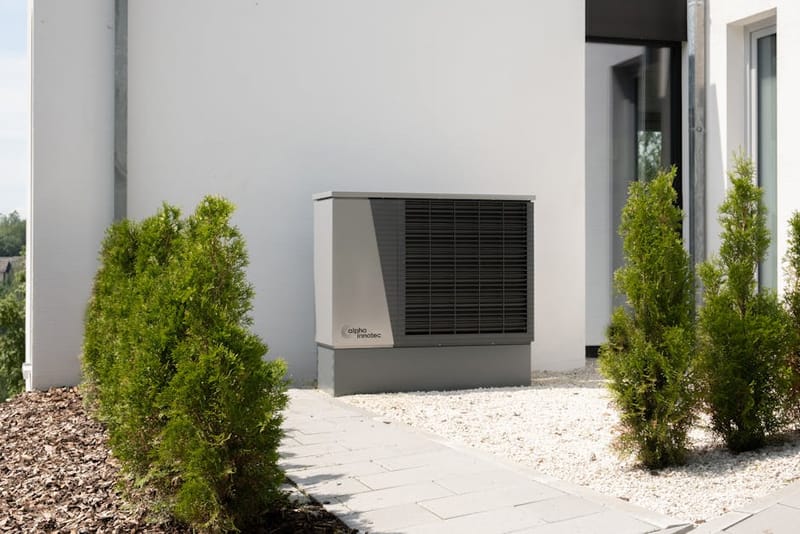
Full air-source heat pump (ASHP) - a single outdoor unit extracts heat from ambient air using a refrigerant cycle and delivers it to your home's heating system (radiators or underfloor) at a flow temperature of typically 35-55°C. Replaces the gas boiler entirely. Domestic hot water comes from the heat pump too, usually via a hot-water cylinder.
Hybrid heat pump - an ASHP working alongside a retained gas (or oil/LPG) boiler. A control system decides which heat source to use at any given moment, typically running the heat pump at mild outdoor temperatures and switching to the gas boiler when it's very cold OR when high-temperature hot water is needed. The hot-water cylinder may or may not exist depending on the configuration.
Both systems use the same indoor distribution - your existing radiators and pipework. The difference is in what's generating the heat and what runs the system.
The detailed comparison
| Full Air-Source Heat Pump | Hybrid Heat Pump | |
|---|---|---|
| Capital cost (post-grant) | £3,500-£7,000 after £7,500 BUS grant | £10,000-£14,000 (no grant) |
| BUS grant eligibility | Yes - £7,500 off the installed cost | No - BUS specifically excludes hybrids since 2023 |
| Running cost vs gas (annual) | Typically £200-£600/yr lower on heat-pump tariff | Typically £100-£300/yr lower than gas-only |
| Carbon emissions | ~80% lower than gas boiler (grid-mix 2026) | ~50% lower than gas boiler |
| Maximum flow temperature | 35-55°C (some up to 70°C with degraded COP) | Up to 80°C (gas boiler handles peak demand) |
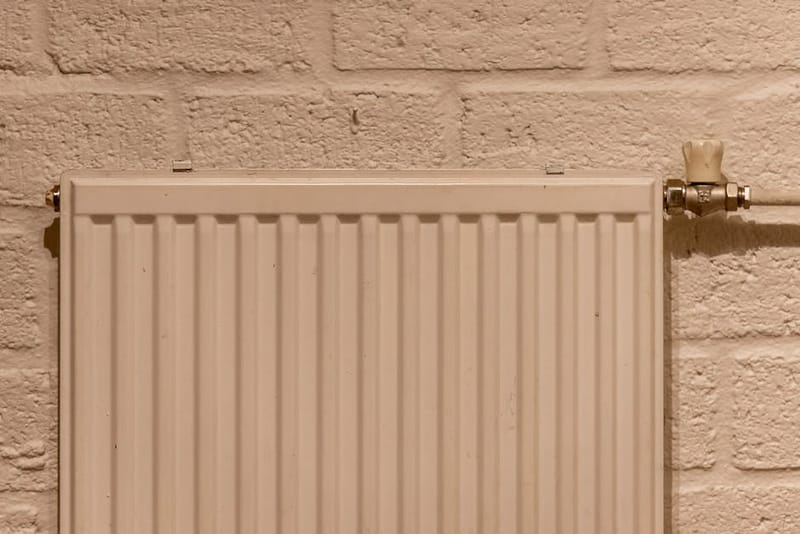
| Radiator upgrade required? | Usually yes for older systems (oversize for low-flow-temp) | Usually no - existing rads work for cold-weather gas top-up |
| Hot water | Cylinder required (heat pump-fed) | Boiler-fed (instant) OR cylinder hybrid |
| Future-proofing | Aligned with UK Clean Heat Market Mechanism + gas-grid phaseout | Exposed to UK gas grid policy decisions 2030+ |
| Maintenance | Annual service ~£150; refrigerant check periodic | Annual service ~£200 (two systems) |
| Lifespan | 15-20 years | 15-20 years (boiler may need separate replacement mid-cycle) |
When hybrid actually makes sense
Hybrid heat pumps solve a specific problem: how to get partial heat-pump benefit in homes where full ASHP retrofit is structurally awkward or expensive. There are four genuine cases.
Case 1: Period properties where full rad upgrade is impractical. Listed buildings, large Victorian homes with cast-iron radiators that work at high flow temperatures (70°C+), homes with awkward pipework routing. Replacing every radiator with the oversized units full ASHP needs can cost £8,000-£15,000 on top of the heat-pump install. Hybrid lets you keep the existing rads and lean on the gas boiler for the coldest weeks.
Case 2: Properties where insulation upgrades are pending. If you're going to retrofit insulation in the next 3-5 years, hybrid lets you start the heat-pump transition now and switch to full ASHP after the fabric improvements drop your peak demand. This is rarely the most economical path but can work if the insulation works are funded separately.
Case 3: Very large rural properties on oil/LPG. Off-gas-grid homes with high heat demand sometimes benefit from a hybrid setup (ASHP + retained oil boiler) where the ASHP handles 80%+ of annual demand and oil handles peak winter loads. The economics depend heavily on the oil tariff and the property's heat-loss characteristics.
Case 4: Recent gas boiler not ready to scrap. If your gas boiler is 2-4 years old and works well, scrapping it for a full heat pump may be financially worse than adding a heat pump alongside it. The ASHP carries the milder-weather load and the boiler handles peak demand. When the boiler eventually needs replacing, you transition to full ASHP at that point.
In ALL four cases, the question to ask is: 'Is hybrid genuinely the best path, or is it just the easiest sale for the installer?' The MCS-certified installer should be willing to model both options with your specific heat-loss data before recommending hybrid.
When hybrid doesn't make sense (most UK homes)
For typical UK family homes (semi-detached, late 20th-century build, cavity walls, decent loft insulation), hybrid heat pumps are worse than full ASHP across nearly every dimension that matters.
The BUS grant gap is structural. The Boiler Upgrade Scheme excludes hybrids - that's £7,500 of grant funding you'd forfeit. This single fact tilts the financial maths heavily toward full ASHP for any home that's eligible for the grant (most owner-occupied homes in England, Scotland, and Wales as of 2026).
The running-cost case for hybrid is weaker than installers often claim. Hybrid running costs depend on what fraction of annual heat demand the ASHP carries. If your control system runs the ASHP only on mild days (the most common configuration), the heat pump might cover only 50-60% of annual demand - the remaining 40-50% is gas. The annual saving vs a full ASHP that covers 100% of demand on a heat-pump tariff is typically £200-£500 per year worse.
You'd own two systems to maintain. Annual servicing costs are higher (~£200/yr vs ~£150 for full ASHP). Boiler replacements come due on a separate cycle to heat-pump replacements. Two control systems means more potential failure points.
Long-term gas policy is uncertain. The UK's Clean Heat Market Mechanism (in force from 2024) places escalating obligations on boiler manufacturers to sell heat pumps. The trajectory points toward gas-boiler-installation restrictions in the late 2030s. Hybrids commit you to retaining gas infrastructure that may be increasingly expensive or regulated.
The 'safer choice' framing is marketing. Full ASHPs, properly sized and installed, work in UK winter conditions. The argument that hybrids are needed for cold-weather backup is dated - modern ASHPs maintain capacity down to -10°C with degraded COP, and properly-sized systems include emergency electric resistance backup for the rare day below that. Buying hybrid 'just in case' is paying capital cost for a contingency you won't use.
The decision framework
Get an MCS heat-loss survey first
This is the foundation of any heat-pump decision. The survey calculates your home's peak heat demand and identifies any radiator upgrades needed. It's typically £200-£500 standalone, or included in the installer's quote process. Without this, no recommendation between hybrid and full ASHP is meaningful. See our guide to MCS installers.
Calculate the rad upgrade cost
If the survey shows your existing rads can run at 50°C flow temperature, full ASHP is almost certainly the right call. If the survey shows you'd need to replace 8+ radiators to support 45°C flow, the rad upgrade cost (typically £6,000-£12,000) is the deciding number. If that upgrade is genuinely impractical (listed building, awkward pipework), hybrid becomes a legitimate option.
Model both running costs with realistic tariffs
Get a 12-month running-cost model from your installer for both options, using realistic gas + heat-pump-specific electricity tariffs. The Octopus Cosy or similar heat-pump tariffs make full ASHP meaningfully cheaper to run than hybrid in nearly all cases. If the installer can't or won't model both, that's a red flag.
Factor in the £7,500 BUS grant
Hybrid: no grant. Full ASHP: £7,500 off the install. This single fact often resolves the decision when the rad-upgrade cost is manageable. Apply via gov.uk; the installer typically handles the application.
Consider future regulatory exposure
If you're under 50 and planning to stay in the property 15+ years, gas-grid policy in the 2030s matters. The UK Clean Heat Market Mechanism's trajectory implies progressively more expensive gas heating; hybrid commits you to that exposure. Older homeowners with shorter time horizons can weight this lower.
Supported manufacturers and product lines
Most major heat-pump manufacturers offer both full ASHP and hybrid configurations in the UK market in 2026:
- Daikin - Altherma 3 H HT (full ASHP) and Altherma 3 H Hybrid (with integrated condensing boiler). Strong installer network.
- Vaillant - aroTHERM plus (full ASHP) and the older aroSTOR hybrid configurations. Vaillant's hybrid pairings work with existing ecoTEC boilers.
- Worcester Bosch - Greenstore range (full ASHP) and various hybrid configurations with their gas-boiler lines.
- Mitsubishi Electric - Ecodan range (full ASHP - one of the most-installed ASHPs in the UK) and hybrid options with third-party boilers.
- Samsung - EHS Mono ranges (full ASHP); hybrid less prominent in their UK product line.
All five manufacturers' full-ASHP lines are BUS-grant-eligible (subject to MCS-certified installation). None of the hybrid configurations qualify for the BUS grant.
Frequently asked questions
Can I get the £7,500 BUS grant for a hybrid heat pump?
Are hybrid heat pumps cheaper to run than a gas boiler?
Will my gas boiler still work if I add a heat pump alongside it?
What's the difference between hybrid and a 'high-temperature' heat pump?
Are hybrid heat pumps a good long-term choice?

Boiler Upgrade Scheme Explained
Air-Source vs Ground-Source Heat Pump
Heat Pump Radiator Upgrades