Replacing Failed Gas Boiler with Heat Pump UK 2026
Replacing a failed gas boiler with a heat pump UK 2026: emergency timeline (1-2 weeks), interim heating, BUS acceleration, contingency planning.
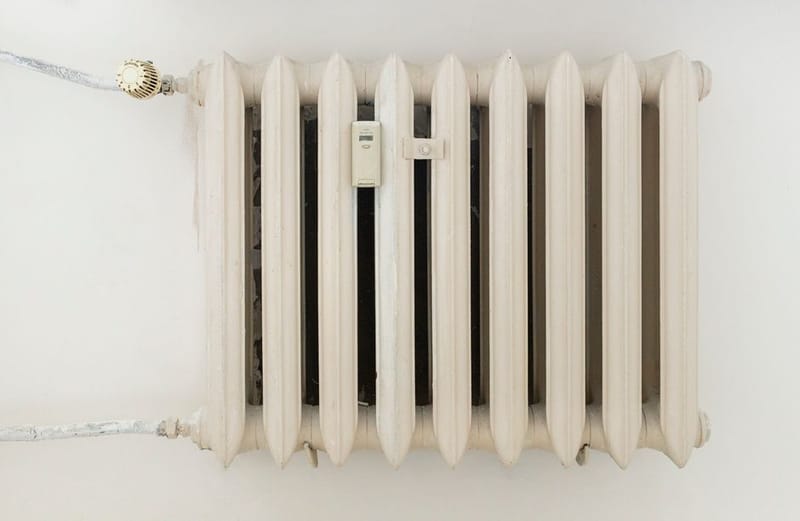
A failed boiler in January is one of the most stressful UK household situations. The default response is panic-replace with another gas boiler - the same-day quote, the same-week install. But a 2-3 week wait for a heat pump can save GBP 7,500 in BUS grant + lock in 7-10 years of lower running costs. This guide covers the realistic emergency-install timeline, interim heating options, and when you really do need to fall back to gas.
Week 1: triage + interim heating
First 7 days after boiler failure - get warm + line up the install.
Immediate priorities (within 24-48 hours):
- Confirm the boiler is genuinely unrepairable. A Gas Safe engineer's diagnostic call-out (GBP 80-150) confirms whether it's a quick fix (faulty PCB, frozen condensate, dirty heat exchanger - all repairable for GBP 200-600) or genuinely end-of-life. Don't commit to replacement on a salesperson's word.
- Set up interim heating - electric fan heaters (GBP 20-50 each), oil-filled radiators (GBP 50-100 each), or portable LPG cabinet heaters (GBP 80-150 + GBP 30 per refill). Most UK households need 2-3 heaters for a typical 3-bed at GBP 50-150 total outlay covering 2-3 weeks of mild-weather use.
- Hot water: if your cylinder has an immersion element (most do), it works on grid electricity even without the gas boiler. Expensive but functional. Cost: ~GBP 5-8/day for typical hot-water needs.
If outside temperature is regularly below 0°C, interim heating is harder + you may need to consider booking accommodation for a few days while the install proceeds. Most January-February failures fall in this category for properties without immersion-cylinder hot water.
Week 1-2: emergency MCS survey + quote
Most installers can survey within 3-5 working days.
Once you've decided to pursue a heat pump (rather than another gas boiler), the MCS heat-loss survey is the timeline-critical step:
- Call 3 MCS-certified installers on day 1-2 of the boiler failure. Explain the situation - most reputable installers prioritise emergency calls.
- Surveys typically scheduled within 3-5 working days in winter (longer in peak demand October-December).
- Survey report + quote typically delivered within 3-7 days of the survey visit.
This is the same heat-loss survey as a planned install - the installer doesn't take shortcuts on the technical assessment, but they can prioritise scheduling for emergency cases. Document the urgent need (no heating, vulnerable household members, exceeding interim-heating capacity) when contacting installers.
Week 2-3: BUS application + DNO consent (accelerated)
Both can be fast-tracked for genuine emergencies.
Once you've accepted a quote, two parallel processes:
- BUS application: installer submits to Ofgem on day of quote acceptance. Standard processing 2-7 days; Ofgem can fast-track in genuine winter-emergency cases when the installer flags it as urgent.
- DNO consent: G98 notification is post-install paperwork (no delay); G99 application (needed for larger heat pumps or supply upgrade) typically 2-4 weeks but can be expedited in emergencies.
If DNO supply upgrade is required (Scenario 3 or 4 from our electrical supply guide), the emergency timeline may extend to 4-6 weeks. For these properties, the emergency window typically forces a gas-boiler replacement as the practical choice - there isn't time to wait for street excavation work.
Week 2-3: install proceeds
Same 3-5 day install as a planned project.
Once BUS is approved + DNO consent is clear, the install proceeds on the same 3-5 day timeline as any planned install:
- Day 1: outdoor unit pad + initial pipework
- Day 2: indoor unit + cylinder install
- Day 3: radiator changes (where needed) + electrical work
- Day 4: system fill + pressure test + initial commissioning
- Day 5: handover + final commissioning
Most installers prioritise emergency cases for install date - typically 5-7 days from quote acceptance to install start (vs 4-12 weeks for planned installs).
When to fall back to gas replacement
Four scenarios where the emergency timeline doesn't permit heat pump.
- Vulnerable household members + sub-zero outdoor temperatures. If household includes elderly residents, young children, or anyone with health conditions exacerbated by cold, the 2-3 week wait isn't safe. Replace with gas boiler + plan heat pump replacement before winter 2027.
- DNO supply upgrade required (Scenarios 3-4). Service cable upgrade or 3-phase conversion adds 4-6 weeks. Not feasible in winter emergency. Gas replacement; plan heat pump for spring-summer install.
- Listed building or planning permission restrictions. Heat pump install needs planning approval; gas replacement doesn't. Use replacement gas; address planning permission separately + install heat pump in 6-12 months.
- Insurance constraints. Some home insurance policies require continuous heating during winter (especially for second-home / holiday-let coverage). Confirm policy terms before letting heating lapse 2-3 weeks.
For each of these scenarios, the gas-boiler replacement is the right call - it's faster, cheaper short-term, and the heat pump can replace it in 12-15 years when it ages out anyway (avoiding scrap of a near-new boiler is wasteful).
Cost comparison: heat pump vs gas-boiler replacement
10-year economics differ even on emergency timeline.
Emergency gas boiler replacement (~GBP 3,500-5,500 install):
- Same-week install, no waiting
- Annual running cost (gas + standing charge): ~GBP 1,200-1,700/year
- Boiler lifespan: 12-15 years before next replacement
- 10-year total cost: ~GBP 16,000-22,000 (one replacement + 10y running)
Emergency heat pump install (~GBP 11,000 pre-grant, ~GBP 3,500 net):
- 2-3 week wait + GBP 100-200 interim heating cost
- Annual running cost (Cosy Octopus tariff): ~GBP 700-900/year
- Heat pump lifespan: 15-20 years
- 10-year total cost: ~GBP 11,000-13,500 (no replacement needed + lower running)
Net 10-year saving: ~GBP 4,500-9,000 in favour of heat pump. Plus avoiding the regulatory uncertainty around gas heating post-2035.