Heat Pump for Thatched Cottages UK 2026
Heat pump for UK thatched cottages 2026: listed building consent, sympathetic siting, insurance considerations, fire safety, electrical supply constraints.
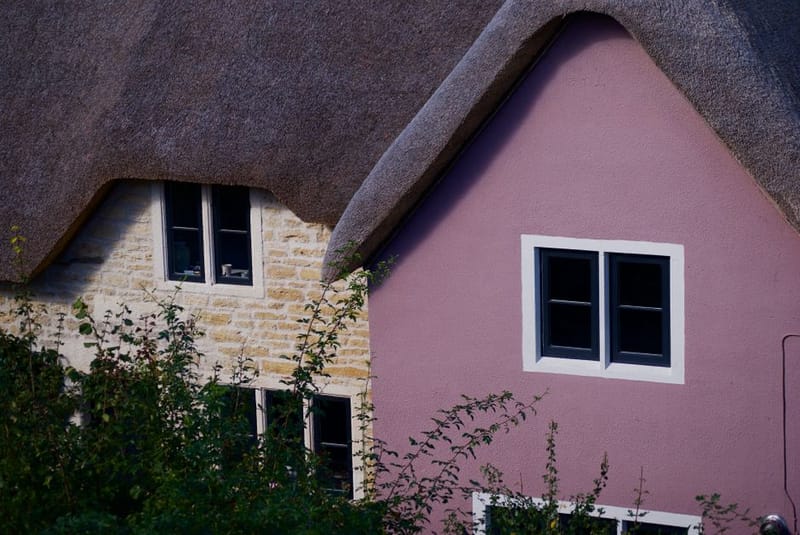
UK thatched cottages combine multiple heat pump install complications - they're typically listed buildings (Grade II or higher), have solid stone walls + high heat loss, and the thatch itself raises specific fire-safety considerations. This guide covers the dual consent process, sympathetic siting, insurance implications, and the realistic 20-30 week timeline.
Listed Building Consent + planning permission
Most thatched cottages are Grade II - same dual consent process as our listed-buildings guide.
The vast majority of UK thatched cottages (~92% of all listed buildings are Grade II) require both Listed Building Consent + standard planning permission for heat pump installs. See our listed buildings guide for the full consent process detail.
Thatched-cottage-specific considerations during consent:
- Heritage officer focus on roof-line + chimney character. Outdoor unit siting that affects sight-lines to the thatched roof typically refused.
- Refrigerant pipework routing. Cutting through solid stone walls is invasive + needs careful documentation in the consent application.
- Outdoor unit acoustic + visual impact on cottage character. Often requires bespoke screening + recessed siting in a detached outbuilding.
Typical timeline: 12-20 weeks for Grade II consent (8-12 for application processing + 4-8 for heritage officer queries + Historic England consultation for Grade II*). Plan well ahead.
Sympathetic siting - keep unit away from thatch
Five fire-safety + character-preservation siting rules.
- Never wall-mount near the eaves of the thatch. Heat from the outdoor unit + any electrical fault risk is too close to combustible thatch material. Minimum 5m horizontal clearance from any thatched roof edge.
- Detached outbuilding siting preferred. A coach house, garage, or garden building hosts the outdoor unit; refrigerant pipework runs underground to the cottage. Adds 2-5m of pipework (~GBP 200-500) but eliminates fire-proximity concerns.
- Recessed alcove siting acceptable for cottages with rear extensions or service alcoves away from thatch. Minimum 5m clearance from any thatched section.
- Below-ground GSHP an option for cottages with garden space. Ground-source units eliminate outdoor unit + thatch-proximity concerns entirely. Higher install cost (~GBP 25,000-40,000 pre-grant).
- Bespoke screening in oak / stone / brick matching cottage character. Often required as Listed Building Consent condition.
Thatch + electrical work - fire safety priorities
Two specific fire-safety considerations for thatched cottages.
1. Electrical isolator location. The heat pump's electrical isolator switch needs to be accessible BUT not within 2m of any thatched section. Indoor isolation in a utility room or detached outbuilding is preferred over outdoor wall-mounted isolation near the property.
2. Chimney + flue interactions. Many thatched cottages have a working open fire or wood-burner with chimney. Heat pump install doesn't affect this directly, but if you're also planning to decommission the open fire (to remove a fire risk + recover the chimney for cosmetic purposes), the decommissioning needs to happen separately + before any thatch refresh work.
Confirm with your installer that they've installed in thatched properties before + understand these specific considerations. Generic heat pump installers may default to wall-mounted outdoor units that aren't suitable for thatched properties.
Heat loss + sizing for thatched cottages
Solid stone + thatch creates a unique heat-loss profile.
Heat-loss calculation for thatched cottages typically shows higher demand than equivalent-floor-area modern properties:
- Solid stone walls (300-600mm thick): U-values 1.5-2.0 W/m²K (3-5x modern cavity walls).
- Thatched roof: surprisingly good U-value of 0.30-0.45 W/m²K when in good condition (thatch is excellent natural insulation).
- Single-glazed windows: U-values 4.5-5.5 W/m²K (10x modern triple-glazing). Window upgrades often planning-restricted.
- Air infiltration: typically high in cottages with original timber sash windows + uninsulated floors.
Result: a 150 m² cottage typically needs an 11-16 kW heat pump (vs 5-7 kW for an equivalent modern property). MCS heat-loss survey accounting for these factors essential.
BUS grant + cost framework
Same £7,500 BUS as standard residential + typical thatched-cottage costs.
The £7,500 BUS grant applies to thatched cottages the same as standard residential property. Listed Building Consent is a pre-requisite + the install must be by an MCS-certified installer. From 21 July 2026, an enhanced £9,000 grant applies where the heat pump replaces oil or LPG heating in an off-gas-grid home (England and Wales).
Typical UK 2026 install costs for a 150 m² thatched cottage:
- Heat pump unit (12-14kW R290): GBP 8,000-11,000
- Hot water cylinder + indoor plumbing: GBP 1,500-2,500
- Pipework + electrical: GBP 2,500-4,500 (cottage-specific)
- Outdoor unit pad + sympathetic screening: GBP 500-1,500
- DNO supply upgrade if needed: GBP 200-1,500
- Total pre-grant: GBP 12,700-21,000
- £7,500 BUS deduction: net cost GBP 5,200-13,500
Higher than typical residential because of the architectural complications + larger heat pump sizing. Plan around the consent timeline + budget for unexpected discoveries (asbestos in older properties, additional radiator upgrades for solid-wall heat loss).