Heat Pump for Listed Buildings UK 2026
Heat pump for UK listed buildings 2026: planning permission, sympathetic siting, heritage officer consultation, BUS eligibility for Grade II + II*.
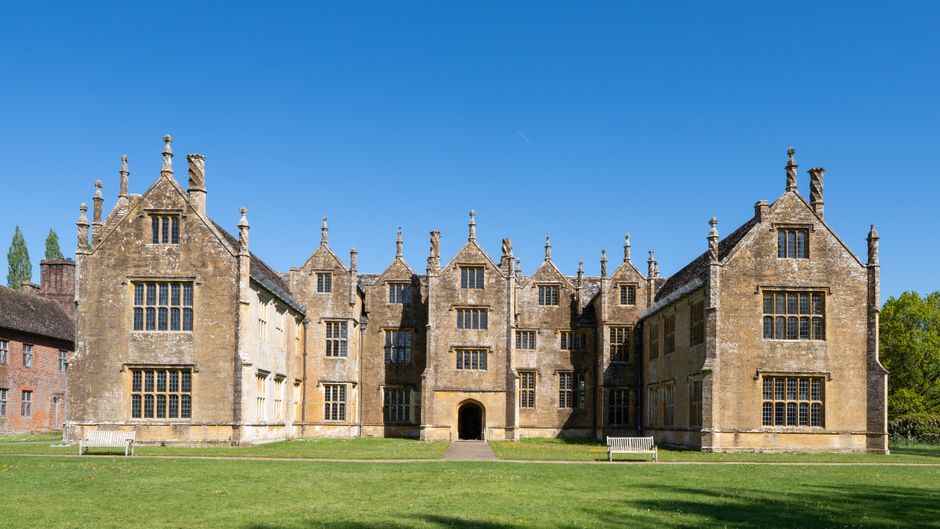
~500,000 UK buildings are listed for their architectural or historical significance. Installing a heat pump in one requires navigating Listed Building Consent + sympathetic design - this guide covers the consent process, sympathetic siting options, heritage officer consultation, and the BUS grant treatment.
Listed Building Consent vs standard planning permission
Two separate consent regimes - both typically needed for heat pump installs.
For UK listed buildings, heat pump installs typically need both:
- Listed Building Consent (LBC): required for any alterations affecting the special interest of the building. Applied via the local authority's conservation officer / planning department. Free to apply; typical processing 8-12 weeks.
- Standard planning permission: required if the heat pump install exceeds permitted-development rights (outdoor unit on rear elevation typically permitted; front elevation or chimney-stack siting usually requires permission). Application fee GBP 100-250; processing 8-12 weeks.
Both consents run in parallel + are typically reviewed by the same conservation team. Approval requires demonstrating the install doesn't harm the building's character + heritage significance.
Heritage officer consultation
Early-stage discussion shapes the install design - mandatory step.
Before formally applying for Listed Building Consent, schedule a pre-application meeting with your local authority's heritage / conservation officer. This:
- Identifies acceptable alteration scope early - saves design work that would be rejected.
- Highlights specific concerns about your building (chimney stacks, original lead pipework, character-defining features).
- Indicates expected approval timeline based on the building's grading + alteration scope.
- Suggests compromise approaches - hybrid systems, recessed siting, screened installs.
Pre-application meetings are typically free (some councils charge GBP 50-150 for written guidance). The relationship with the heritage officer matters - antagonistic approaches typically result in refused consent + extended timelines.
Sympathetic siting options
Five approaches to minimising visual impact of the outdoor unit.
1. Recessed installation in alcoves or rear wings. Many listed buildings have rear extensions, courtyards, or service alcoves where the outdoor unit is invisible from public view. Often the easiest path.
2. Detached outbuilding installation. Coach houses, garages, garden buildings can host the outdoor unit with refrigerant pipework running back to the main building. Adds 2-5m of pipework + minor cost (~GBP 200-500) but eliminates visual impact on the main listed structure.
3. Bespoke screening. Custom-built timber, brick, or stone screens that match the building's materials + style. Cost: GBP 500-2,000 depending on materials + scale. Often required as a condition of Listed Building Consent.
4. Below-ground installation (rare). Some buildings can accommodate ground-source heat pumps with bore-hole loops, eliminating outdoor unit visibility entirely. Cost is 2-3x air-source typically (~GBP 25,000-40,000 pre-grant) but planning-friendly.
5. Hybrid retention of gas system. For buildings where exterior changes are heavily restricted, hybrid systems retain the gas boiler (no external change) + add a small air-source heat pump in a permitted location. The £7,500 BUS grant still applies.
Typical consent timeline
8-16 weeks for clean applications - longer for Grade I / II*.
Realistic UK 2026 timeline for heat pump install in a listed building:
- Pre-application heritage consultation: 2-4 weeks from initial enquiry.
- Design + drawing preparation: 2-4 weeks for architect/installer to produce LBC drawings + supporting statements.
- LBC application processing: 8-12 weeks (statutory) for Grade II; 12-20 weeks for Grade I + Grade II* (Historic England consultation).
- MCS survey + BUS application: 2-3 weeks (parallel with above).
- Install + commissioning: 3-5 days on-site (same as non-listed).
Total realistic timeline: 16-30 weeks from initial enquiry to operating heat pump. Plan well ahead - emergency timelines (replacing a failed gas boiler) are not feasible for listed buildings.
BUS grant eligibility for listed buildings
£7,500 grant applies regardless of building classification.
The Boiler Upgrade Scheme grant applies to listed buildings the same as standard residential properties:
- £7,500 toward an MCS-certified air-source or ground-source heat pump.
- £2,500 ECO4 grant alternative for air-to-air installs (more common in listed buildings where air-to-water radiator changes would damage interior features).
- Listed Building Consent is a pre-requisite - BUS application typically references the LBC consent letter.
Some local authorities offer additional grants for heat pump installs in listed buildings (recognising the higher install + consent cost). Check with your local authority's energy team for current schemes.
Common reasons for consent refusal
Five issues that derail Listed Building Consent - all preventable.
- Outdoor unit on principal elevation. Heritage officers routinely refuse consent when the outdoor unit is visible from the public highway on the building's most-significant facade. Re-design to rear or side elevation.
- Modifications to character-defining features. Removing original chimney stacks, lead pipework, or sash windows is typically refused. Heat pump install should preserve these features.
- Unsympathetic external pipework. Refrigerant pipework run externally without screening is typically refused. Internal routing or external screening required.
- Inadequate supporting statement. LBC applications need a Heritage Statement showing how the design preserves the building's character. DIY applications without architect support are often refused for documentation quality reasons.
- Failure to consult Historic England (Grade I + II*). Skipping this consultation typically results in refusal for serious listings. Ensure the conservation officer's process includes the Historic England referral.