R290 (Propane) Heat Pumps UK 2026: What to Know
R290 (propane) is the low-GWP refrigerant UK heat pump brands are moving to. Global warming potential, F-gas exemption, brands using it, and safety.
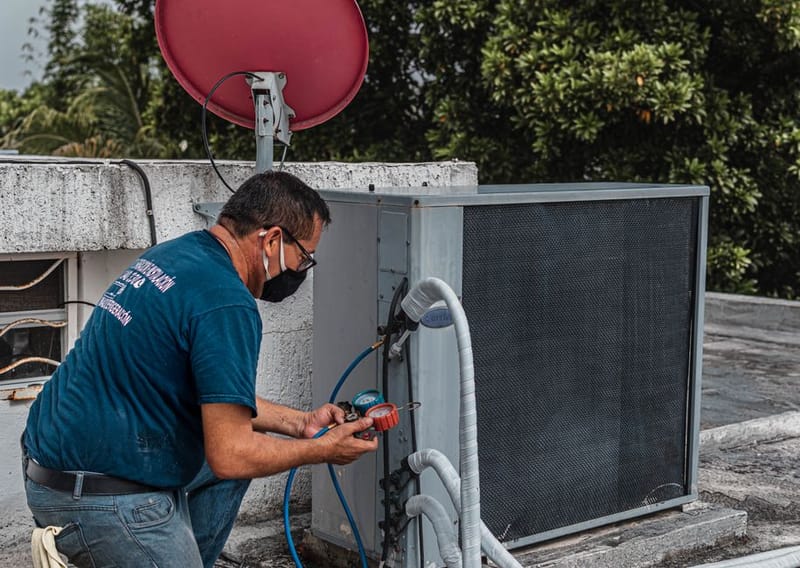
R290 is the refrigerant the UK heat pump industry is moving to over the 2025-2030 window. The driver is the EU and UK F-gas regulations that are phasing out high-GWP refrigerants on a Schedule that runs through 2030. R32 (the current mainstream UK refrigerant) is acceptable through 2030 but is increasingly being replaced on new product launches by R290 propane. This guide covers what R290 means in practice for UK homeowners shopping for a heat pump in 2026 - the safety record, the GWP arithmetic, the brand-by-brand availability, and the practical install considerations.
What is R290 and why are heat pumps moving to it?
R290 is the refrigeration industry's code for propane (C3H8) - the same chemical used in barbecue gas cylinders, just at the higher purity level required for refrigerant duty. It is a natural refrigerant: not a manufactured fluorinated compound (like R32 or R410A) but a hydrocarbon that occurs naturally and decomposes harmlessly in the atmosphere.
The push to R290 in heat pumps has three drivers:
- F-gas regulations. The EU F-gas Regulation 2024/573 (which the UK has aligned with via the Environment Act 2021) is phasing out high-GWP refrigerants on a quota schedule running through 2030. R32 (GWP 675) is acceptable through 2030 but new product launches are increasingly required to use lower-GWP alternatives.
- Brand environmental credentials. Heat pump buyers prioritising environmental impact see R290 as the consistent choice - low operational carbon AND low refrigerant carbon. R32 systems have a hidden refrigerant-carbon cost that R290 doesn't.
- Performance. Propane has thermodynamic properties that enable higher flow temperatures than R32. R290 systems routinely reach 70-75°C flow temperature with respectable SCOP - useful for existing-radiator retrofits where the wet system was designed for a gas boiler at 70°C.
Which UK heat pump brands offer R290 in 2026?
UK 2026 R290 heat pump availability across the major brands:
Vaillant aroTHERM plus - R290 standard across the full range (3-12 kW). Largest installed base of R290 heat pumps in the UK with 6+ years of real-world performance data. 75°C maximum flow temperature, 56-58 dB(A) sound power. The reference R290 unit in the UK market.
Panasonic Aquarea L Series - R290 across the L Series range. 75°C max flow, operating down to -28°C ambient. Strong runner-up to Vaillant in UK R290 installer network coverage.
Daikin Altherma 3 H MT R290 - Daikin's R290 variant within the broader Altherma 3 H range. 8-14 kW. The premium-priced R290 option with Daikin's 10-year extended warranty available.
Worcester Bosch Compress 7800i AW - Worcester Bosch's R290 entry, leveraging the established UK Worcester service network. Aimed at homeowners with strong brand-recognition preference for British gas-boiler heritage brands.
NIBE F2120 - NIBE's R290 variant within the F2120 range. Strong cold-weather performance, premium Swedish heritage. Smaller UK installer network than Vaillant or Panasonic.
Mitsubishi CAHV-R - Mitsubishi's R290 commercial range, with some products available for larger domestic installs.
Samsung EHS Monobloc - Not yet UK-available in R290. Samsung has announced R290 variants for European launch but no confirmed UK launch in 2026.
Mitsubishi Ecodan PUZ-WM - The mainstream Ecodan PUZ-WM line remains R32-only as of 2026. Mitsubishi's R290 commercial CAHV-R is the only Mitsubishi R290 option, mostly used in larger installs.
Is R290 propane safe in a domestic heat pump?
The safety question is reasonable - propane is flammable, and the news cycle has occasionally raised concerns about hydrocarbon refrigerants in domestic appliances. The technical and regulatory picture in UK 2026:
The standard: R290 heat pumps must meet IEC 60335-2-40 for household electrical heat pumps with flammable refrigerants. This standard has been in force since 2016 and covers refrigerant charge limits (typically below 1.5 kg for domestic monobloc units), pipe joint specifications, ignition source separation, leak detection requirements, and outdoor installation requirements.
The design choice: all UK domestic R290 heat pumps are monobloc designs - the refrigerant is sealed in the outdoor unit, and only water (not refrigerant) flows through the indoor pipework. There is no refrigerant flowing through the house. A leak in the outdoor unit releases propane to outside air, where it dissipates without reaching ignitable concentrations in any meaningful volume.
The track record: Vaillant aroTHERM plus has been UK-installed since 2019 with over 100,000 UK installations. There have been no reported homeowner injuries or fires from R290 heat pump installations in the UK during this 7-year period. The Health and Safety Executive classifies UK domestic R290 monobloc heat pumps as low-risk appliances comparable to outdoor gas BBQs - which have a much larger UK installed base with a similarly clean safety record.
The practical considerations: the outdoor unit must be sited with the manufacturer's clearance distances from doors, windows, and ignition sources (typically 1-2 m). Installation requires an MCS-certified installer trained on R290; the F-gas qualification used for R32 does not transfer. Annual service is standard heat-pump service; no special R290-specific service is required.
Should you specifically seek out an R290 heat pump?
Three reasons to specifically choose R290 in 2026:
- You want consistent low-carbon credentials. If you're installing solar PV alongside the heat pump, supporting a zero-carbon-by-2050 framing, or marketing a property for resale on environmental credentials, R290 is the consistent choice that R32 doesn't match.
- You want existing-radiator retrofit capability. R290's higher achievable flow temperature (75°C) makes it the better fit for retrofitting onto an existing wet system without upsizing the radiators. SCOP at 55°C flow on R290 is competitive with mid-temperature R32 designs.
- You're future-proofing. R32 is acceptable through 2030 under current regulations but the F-gas direction is clear. An R32 installed in 2026 will have spare parts available throughout its 15-20 year lifespan, but service interaction will increasingly favour R290 by the late 2030s. For homeowners with a long horizon, R290 is the more future-proof choice.
Three reasons to NOT specifically seek out R290:
- Capital cost. R290 systems are typically £400-800 more expensive at the unit-cost level than the same kW R32 equivalent. For value-tier installs (especially Samsung EHS, which is R32-only in the UK), the price gap matters.
- Installer availability. R290 requires installers trained on flammable-refrigerant safety. The UK R290 installer network is smaller than the mainstream R32 network - around 1,500-2,000 R290-certified installers as of 2026, versus 4,000+ for R32. Coverage is good in major urban areas but thinner in remote regions.
- Compatibility with district heating. Some district heating systems require specific refrigerant compatibility certifications that R290 may not yet have. Check with your local district scheme if applicable.
Frequently asked questions
Is R290 the same as propane gas?
Are R290 heat pumps safe in a UK home?
Does an R290 heat pump need special servicing?
Will R32 heat pumps be banned in the UK?
Is there a price premium for R290 heat pumps?

Vaillant aroTHERM plus Review
Panasonic Aquarea Review
Heat Pump Underfloor vs Radiators UK

Heat Pump SCOP Explained
Considering an R290 heat pump?
Our heat pump installer guide covers what to ask MCS installers about R290 certification and recent R290-system experience.