Heat Pump Hot Water Cylinder Sizing UK 2026
How to size a heat pump hot water cylinder UK - 210-300L typical, Mixergy vs Newark vs Telford, unvented vs vented decision.
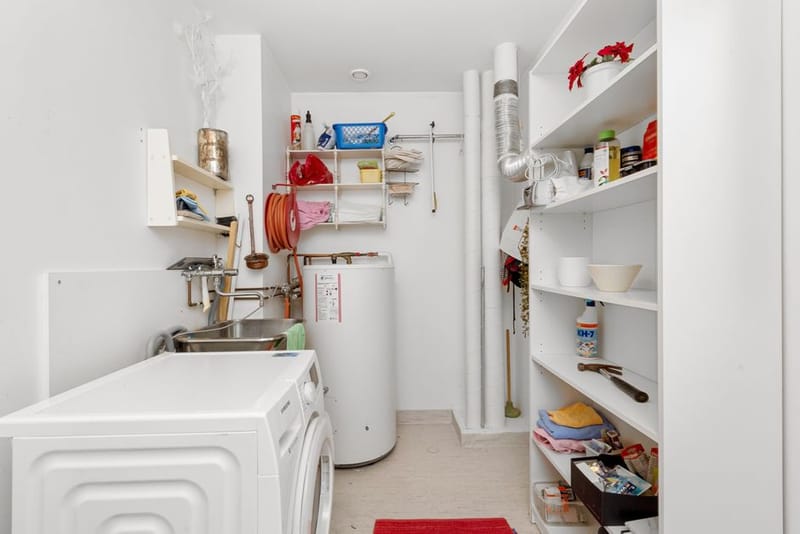
The hot water cylinder is the second-largest equipment decision in a UK heat pump install after the heat pump itself - and it's the component where transferring gas-boiler assumptions causes the most retrofits to disappoint. UK housing stock has had decades of combi-boiler dominance, where instant hot water meant cylinders shrank to 100-150 litres in the few homes that kept them. Heat pumps require a fundamental rethink. This guide covers MCS-compliant sizing methodology, the unvented vs vented decision, brand options across the UK 2026 market, and the practical install considerations.
How big a hot water cylinder do you need for a heat pump?
The MCS sizing approach factors three variables: number of occupants, simultaneous hot water demand (multiple showers, shower-while-someone-is-running-bath), and the typical hot water habits of the household. UK 2026 typical cylinder sizes:
- 1-2 occupants, single bathroom, no bath habit
- 180-210 litres
- 3-4 occupants, single bathroom, shower-frequent
- 210-250 litres
- 3-4 occupants, single bathroom, bath-frequent (>2 baths/week)
- 250-280 litres
- 4-5 occupants, family bathroom + en-suite
- 250-300 litres
- 5+ occupants OR back-to-back morning showers
- 300-350 litres
- 6+ occupants OR multi-generational household with bath habit
- 350-400 litres
The MCS sizing guidance is BS EN 15316-3-1 plus the manufacturer's hot water demand profile. Most UK installers use a rule-of-thumb of 50-60 litres per occupant for shower-dominant households and 70-80 litres per occupant for bath-frequent households. The math is straightforward: a 4-person household running 4 morning showers (each using around 35-45 litres of hot water if mixed to 38°C from a 50°C stored cylinder) draws about 140-180 litres of hot water in the morning peak. The cylinder must hold that volume plus a reserve for kitchen and incidental use.
Should you choose an unvented or vented cylinder?
For UK heat pump installs, the answer is almost always unvented. Unvented cylinders operate at mains water pressure (typically 1.5-3 bar in UK homes) and deliver substantially better shower performance than vented systems. They are also the standard format for new heat pump installs in 2026.
The technical distinction:
- Unvented (sealed system): Cylinder is connected directly to the cold mains, with safety valves and an expansion vessel. Hot water delivery happens at mains pressure - the shower runs strong, multiple taps can be open simultaneously without pressure dropping. Requires annual safety check on the pressure relief valves. UK 2026 typical cost: cylinder £600-£1,400 depending on capacity, plus £150-£250 for the safety kit and installation.
- Vented (gravity system): Cylinder is filled from a cold water tank in the loft, with hot water delivery happening at gravity pressure (typically 0.1-0.4 bar - much lower than mains). Most UK 1990s+ homes have abandoned this design because of poor shower performance. Vented cylinders are slightly cheaper (£400-£900) but the shower performance gap means almost no heat pump retrofits choose this format in 2026.
If your existing system is vented (loft tank + gravity-fed cylinder), the heat pump retrofit almost always involves upgrading to unvented. The £200-£500 differential is well-spent for the shower performance gain.
What about Mixergy cylinders?
Mixergy makes a smart cylinder that uses thermal stratification to deliver a different hot water heating model. Instead of heating the full cylinder volume, Mixergy heats only the volume needed for the upcoming demand - which improves efficiency for households with predictable usage patterns. The Mixergy cylinder integrates with the heat pump via a smart controller that tracks usage and pre-heats the right volume.
The advantages and trade-offs:
- Efficiency advantage: Mixergy claims 20-30% reduction in heat pump energy consumed for DHW. The actual real-world saving depends heavily on usage predictability - households with consistent patterns benefit most.
- Smart scheduling: Mixergy can schedule the heat pump to charge the cylinder during off-peak electricity windows (Octopus Cosy, Intelligent Go, E.ON Drive Smart). This is where the real cost saving usually comes from.
- Capital cost: A 200-litre Mixergy is approximately £1,800-£2,200 vs £700-£1,000 for a standard unvented Newark or Telford cylinder. The £1,000-£1,500 premium needs to be recovered through energy savings.
- Payback math: On a 4,000 kWh annual heat load, a 25% efficiency improvement on DHW (which is typically 25% of the heat load) saves around 250 kWh/year, worth £75/year at 30p/kWh. Payback runs 13-20 years - longer than the cylinder lifespan.
- Off-peak scheduling savings: If Mixergy schedules the heat pump for the 7p/kWh Octopus Intelligent Go window vs 28p/kWh standard variable, the saving on the same 250 kWh is £52/year. Combined with the efficiency saving, total saving runs £100-£150/year. Payback shortens to 7-12 years.
Mixergy is the right call for households with consistent usage patterns, a heat-pump-friendly tariff like Cosy or Intelligent Go, and the budget for the premium. For mainstream installs where the household's hot water usage is variable or the budget doesn't stretch to the Mixergy premium, a standard unvented cylinder works cleanly.
Which cylinder brands suit UK heat pumps?
Three established UK brands cover most heat pump retrofits in 2026:
Newark Copper Cylinders. Long-established UK brand, mainstream pricing (£700-£1,400 for 180-300 litres), wide availability through installer wholesalers. Stainless-steel construction with 25-year guarantee. Heat pump-compatible coil configurations available across the range. The default choice for most UK installs.
Telford Tornado. Similar pricing and quality to Newark, with strong reputation among UK installers for heat-pump-specific designs. The Tornado HP variant is specifically optimised for low-flow-temperature heat pump operation (35-50°C primary flow temperature on the coil rather than the 70°C gas-boiler standard). 25-year guarantee.
Mixergy. The smart-cylinder option covered above. Premium pricing (£1,800+) with smart-scheduling features that recover through heat-pump-tariff savings.
Three additional considerations across brands:
- Coil sizing: The heat exchanger coil inside the cylinder must be sized for low primary flow temperature. A standard gas-boiler-designed cylinder typically has a small coil sized for 70-80°C flow; a heat-pump-compatible cylinder has a larger coil sized for 50-60°C flow. Mismatched coil = poor heating performance.
- Anti-Legionella cycle: Heat pump cylinders require a periodic high-temperature cycle (60°C+ for at least 30 minutes per week) to control Legionella bacteria. Some modern cylinders have built-in resistive heating elements for this; older designs rely on the heat pump alone, which can struggle at the high temperature.
- Pre-installed sensors: Modern heat pump cylinders ship with multiple temperature sensors for the heat pump's controller, enabling stratification-aware operation. Older or simpler cylinder designs lack these sensors and limit the heat pump to basic on/off control.
What space do you need to install the cylinder?
Typical UK 2026 unvented heat pump cylinder dimensions:
- 200-litre cylinder: approximately 1.6m tall × 0.55-0.60m diameter
- 250-litre cylinder: 1.8m tall × 0.60m diameter
- 300-litre cylinder: 1.85-2.0m tall × 0.65m diameter
- 350-litre cylinder: 2.0-2.1m tall × 0.65-0.70m diameter
Most UK 1990s+ properties have an airing cupboard sized for a 100-150-litre indirect cylinder - typically too small for a 250-litre heat pump cylinder. The retrofit often involves relocating the cylinder to a utility room, garage, or sometimes a loft conversion. The MCS designer's survey will identify the location and any structural considerations (door widening, floor reinforcement) needed.
One UK-specific consideration: a 300+-litre cylinder weighs 350-450 kg when full. The cylinder location must have floor structural capacity for this load - typically straightforward on a ground-floor concrete slab, more complex on a first-floor suspended timber. A surveyor or structural engineer may be needed for first-floor installs over 250 litres.
Frequently asked questions
What size hot water cylinder do I need for a UK heat pump?
Can I keep my existing hot water cylinder when installing a heat pump?
Is a Mixergy cylinder worth the extra cost?
What's the difference between an unvented and vented cylinder?
How often does the cylinder need to reach 60°C for Legionella control?
Where in the house should the cylinder go?

Heat Pump for a 4-Bed Detached UK
Heat Pump Maintenance Costs UK 2026

Heat Pump SCOP Explained

Heat Pump Cost UK 2026
Need a cylinder-experienced heat pump installer?
Cylinder relocation and unvented certification are MCS-installer specialisms - the choice of installer matters as much as the choice of cylinder brand.