Heat Pump + EV Charging Post Home Install UK 2026
Heat pump + EV charger combined install UK 2026: shared DNO upgrade, smart load management, single contractor coordination, cost savings.
Installing heat pump + EV charger together saves GBP 1,000-2,500 vs separate installs, plus solves combined electrical load challenges at design stage. This guide covers the bundle economics, smart load management, DNO upgrade considerations, and timing.
Why bundle heat pump + EV charger install
Five shared-cost categories.
- Shared DNO supply upgrade. If single-phase 60A supply needs upgrade to 100A (~GBP 200-1,500), one upgrade covers both installs vs separate upgrades months apart.
- Shared electrician day rates. Same electrician on site for both jobs saves ~GBP 300-600 vs separate visits.
- Shared notification + paperwork. G98/G99 notifications to DNO, MCS install certificate filing - combined paperwork saves ~GBP 100-300 in admin time.
- Shared project management. One contractor coordinator manages both trades vs separate coordination.
- Combined OZEV / BUS grant timing. BUS for heat pump + OZEV for EV charger can both be claimed within same project window.
Total bundle saving: GBP 1,000-2,500 typical compared to separate installs spaced months apart.
Electrical load calculation - the engineering challenge
60A supply + heat pump + EV often exceeds capacity.
Typical UK 3-bed household electrical load:
- Baseline household (lighting, appliances, cooking): 2-4 kW typical, 6-8 kW peak (cooking + appliance simultaneous).
- Heat pump (5-12 kW): 5-8 kW typical operation, up to 12 kW peak with aux heater firing.
- EV charger (7 kW fast): constant 7 kW when charging.
- Combined peak: 18-27 kW potential.
UK supply capacities:
- 60A single-phase (common older property): ~14 kW total capacity.
- 80A single-phase: ~18 kW.
- 100A single-phase: ~23 kW.
- 3-phase supplies: 30 kW+ typical.
Conclusion: 60A single-phase supply typically insufficient for heat pump + EV charger + baseline household at peak. Need either: (1) DNO supply upgrade to 100A, (2) smart load management to throttle EV when heat pump runs, or (3) lower-capacity EV charger (3 kW slow).
Smart load management options
Three approaches to combined load without supply upgrade.
Option 1: load-managed EV charger.
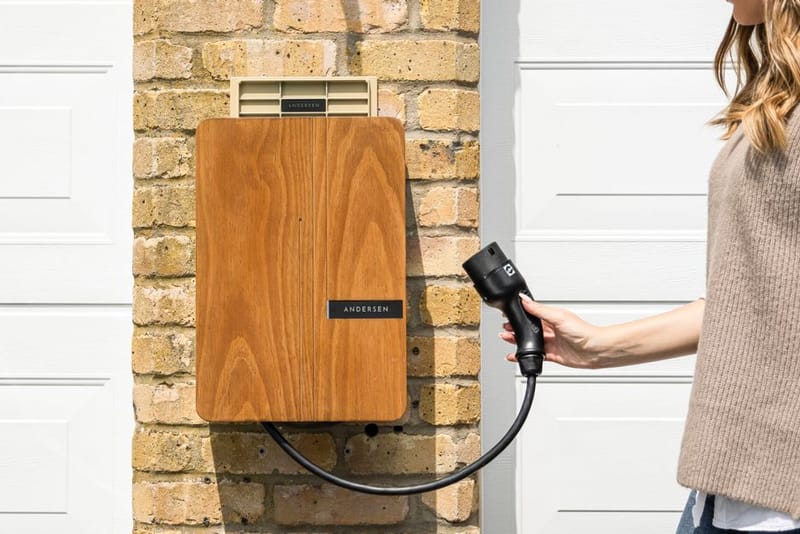
- EV charger with built-in dynamic load management (Ohme, Hypervolt, Andersen Wallbox).
- Monitors house consumption + throttles EV charge rate when heat pump runs.
- EV charges slower during peak heating; full rate when heat pump idle.
- Cost: ~GBP 100-300 premium over standard charger.
- Easiest install + most reliable for typical UK 3-bed.
Option 2: Consumer unit + dynamic load balancing.
- Specialist DLB controller installed at consumer unit.
- Monitors whole-house load + throttles loads dynamically.
- Cost: GBP 800-2,000 install premium.
- Best for complex households with multiple high-load devices (heat pump + EV + sauna + hot tub).
Option 3: DNO supply upgrade.
- Upgrade from 60A to 100A single-phase.
- Cost: GBP 200-1,500 (varies with existing supply infrastructure).
- Eliminates load management complexity - both heat pump + EV can run full capacity simultaneously.
- Best long-term answer for properties planning multiple electrification upgrades.
Decision: option 1 (load-managed EV) for most UK households; option 3 (DNO upgrade) for households planning extensive electrification.
Tariff strategy for combined heat pump + EV household
Octopus Cosy vs Intelligent Go vs Flux.
Combined households have specific tariff considerations (covered in detail in our combined tariff guide):
- Octopus Cosy: best for heat-pump-dominated household with flexible EV charging windows. 6-hour multi-window off-peak; saves ~GBP 800-1,500/year vs standard tariff.
- Octopus Intelligent Go: best for EV-dominated household with high mileage. 6 hours/night off-peak at 7.5p/kWh; smart-charger integration.
- Octopus Flux: best with solar PV + battery setup. Export bonus during peak hours.
For most UK 3-bed combined households: Cosy is the right answer. Tariff switching coincides naturally with combined install commissioning.
Cost framework - typical UK 3-bed combined install
Realistic numbers.
Combined heat pump + EV charger install (typical UK 3-bed):
- Heat pump install (7-9 kW R290 + cylinder): GBP 10,000-13,000.
- EV charger (7 kW Ohme/Hypervolt/Andersen with load management): GBP 1,000-1,800.
- Combined electrical work (additional circuits, isolators, consumer unit upgrade): GBP 800-1,500.
- DNO supply upgrade (if needed, 60A→100A): GBP 0-1,500.
- Shared install savings vs separate: -GBP 1,000-2,500.
- BUS grant on heat pump: -GBP 7,500.
- OZEV grant on EV charger: -GBP 350 (where applicable; check current OZEV criteria).
- Net combined cost: GBP 3,000-7,500.
vs separate installs (heat pump + EV charger spaced 6-12 months apart):
- Total separate cost: ~GBP 1,500-3,000 higher than combined install.
- Plus likely duplicate DNO upgrade work, additional electrician day rates, separate project management overhead.
Sequencing within the install
Order matters for electrical work.
- Pre-install DNO assessment. Free supply capacity check; determines whether supply upgrade is needed + timeline. Do this 3-6 months before planned install.
- Heat pump install + commissioning. First major install; establishes electrical infrastructure + cylinder.
- EV charger install + commissioning. 1-2 weeks after heat pump (ideally same week if possible); leverages existing electrician on-site presence.
- Smart load management commissioning. Verify load-managed EV charger throttles correctly under combined heat pump + EV operation.
- Tariff switch + smart charging setup. Octopus Cosy / Intelligent Go switch coincides with install commissioning.
- Verify combined operation under peak load. Watch first cold-snap evening (heat pump full output + EV charging) - confirm no MCBs tripping + smart load management functioning.
Total project timeline: 6-12 weeks from DNO assessment to commissioned combined system.