Heat Pump + EV Charger Combined Design UK 2026
Heat pump + EV charger combined design UK 2026: load management, DNO assessment, smart tariff coordination, when supply upgrade is needed.
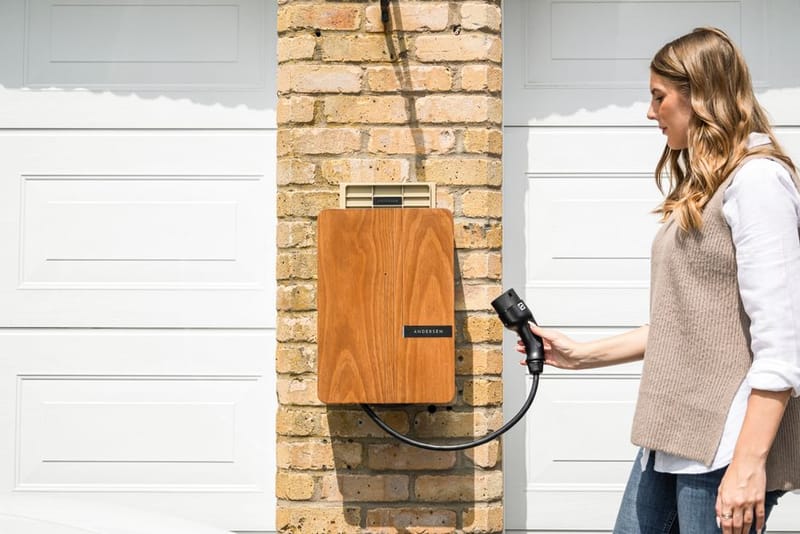
Adding both a heat pump + an EV charger to your UK home is the canonical 2026 decarbonisation upgrade - but the combined electrical load needs careful design. This guide covers the load arithmetic, the smart-home + tariff coordination options, and the supply-upgrade scenarios.
The load arithmetic
Heat pump + EV combined draw vs typical UK supply ratings.
Typical UK 2026 continuous electrical draws:
- Air-source heat pump (5-8kW typical): 16-25A continuous during cold-weather operation.
- 7.4kW home EV charger: 32A continuous when charging.
- Electric shower (peak): 35A peak, ~10-15 min duration.
- Induction hob (peak): 25-32A peak, intermittent.
- Standard household baseload: 10-15A.
Combined peak load with both heat pump + EV running simultaneously: ~48-57A continuous + intermittent appliance peaks. Standard UK supplies:
- 100A single-phase (most properties built post-1990): comfortable headroom even with peaks.
- 80A single-phase (1980s-1990s properties): tight but workable with load-balancing equipment.
- 60A single-phase (pre-1980s urban properties): supply upgrade typically required before adding both.
Option 1: Load-balancing hardware
EV charger throttles automatically when heat pump demand spikes.
Dedicated load-balancing equipment monitors the property's total current draw + dynamically throttles the EV charger to prevent overload. UK 2026 options:
- MyEnergi Zappi with CT-clamp current monitor. ~GBP 1,200 installed for charger + balancing capability bundled. Throttles EV charging from 32A down to 6A when other loads spike. Widely available + well-supported.
- Project EV with similar dynamic-balancing capability. ~GBP 900-1,200 installed.
- Smappee Wall EV charger with load-balancing. ~GBP 1,500 installed.
- Add-on CT-clamp + smart relay for existing EV chargers (GBP 200-500 retrofit) - works with Wallbox, Easee, Andersen, and other compatible chargers.
Load-balancing equipment is the lowest-cost solution for adding both heat pump + EV to a property without DNO supply upgrade. Works well for typical 80A supplies; for 60A supplies it still helps but supply upgrade is usually the better long-term call.
Option 2: Smart tariff + scheduling coordination
Stagger loads across off-peak windows.
For households on tariff-aware smart meters (most UK properties post-2020 have SMETS2 smart meters), tariff-based scheduling reduces simultaneous peak loads:
- Pre-heat the property + thermal mass during 02:30-05:30 off-peak window. Heat pump runs harder + the property's thermal mass carries warmth through morning peak hours.
- Charge the EV during the same off-peak window. 7kW × 3 hours = 21kWh, adding ~75-90 miles of EV range overnight.
- Result: heat pump + EV both run during low-demand windows when the grid is least-loaded, the property's combined peak is in the middle of the night when other appliance loads are minimal.
This works on any supply rating where the off-peak combined load (~48-57A heat pump + EV) fits the fuse. Doesn't require load-balancing equipment + saves significant running cost via off-peak tariff rates.
Option 3: DNO supply upgrade
When fuse upgrade or service cable replacement is needed.
For properties where the combined heat pump + EV load exceeds the existing fuse rating, the DNO may require a supply upgrade. Typical scenarios + costs:
- 60A fuse upgrade to 80A or 100A: ~GBP 200-400, processed via G99 with 2-4 week DNO consent.
- Service cable upgrade (when existing cable too small for higher current): ~GBP 800-1,500, 3-6 week timeline including potential street excavation.
- 3-phase conversion (rare for combined heat pump + EV on a 3-bed semi but common on large detached + workshop properties): ~GBP 2,500-8,000.
See our heat pump electrical supply upgrade guide for full DNO consent process. For combined heat pump + EV installs, request a combined DNO assessment from your installer rather than separate assessments for each.
Combined design checklist
Five things to confirm with your installer.
- Combined DNO assessment. Whether you're installing heat pump + EV simultaneously or in sequence, request the DNO assessment to consider both loads. Sequential assessments (heat pump first then EV) often miss the combined-load issue + leave you needing a second supply upgrade.
- Smart-meter compatibility. Both heat pump + EV charger should work with your SMETS2 smart meter for tariff-aware scheduling. Confirm with installer that your specific heat pump + EV charger models support time-of-use tariff APIs.
- Load-balancing equipment requirement. If your supply is 80A or below, specify load-balancing equipment in the install quote. Don't accept a 'we'll see how it goes' approach - fuse trips are expensive + dangerous.
- Off-peak coordination. Plan the combined system around off-peak tariff windows. Choose tariffs (e.g. Cosy Octopus + Intelligent Octopus Go) that align EV charging + heat pump scheduling.
- Outdoor unit + EV charger siting. Plan locations together - both need access to the garden / driveway, and combined cable runs are simpler when both terminate at the same consumer unit area.