Heat Pump Zoning + Multi-Zone Control UK 2026
Heat pump zoning UK 2026: single-zone vs multi-zone, when zoning makes sense, control strategies, retrofitting zones to existing systems.
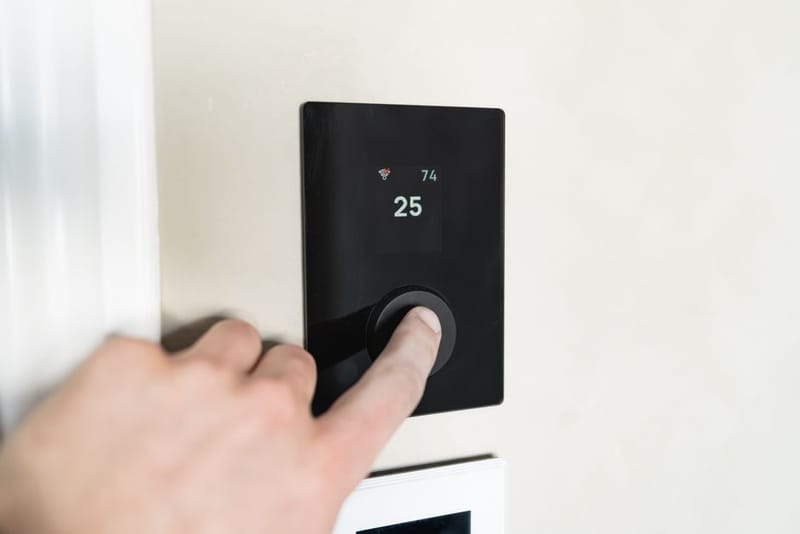
Multi-zone heat pump systems sound appealing but typically don't deliver the value they suggest. This guide covers when zoning actually makes sense, the control-strategy options, retrofitting zones to existing installs, and why single-zone is the right answer for most UK homes.
Single-zone vs multi-zone - what they mean
Different control strategies for delivering heat across the property.
Single-zone system:
- Heat pump controlled by ONE thermostat for the whole house.
- All radiators / UFH receive flow at the same temperature.
- Room balancing achieved via TRVs (thermostatic radiator valves) - adjust output per room without affecting central control.
- Standard install for most UK 3-bed semis + small detached houses.
Two-zone system:
- Two independent thermostat zones (typical: upstairs vs downstairs, or wet rooms vs dry rooms).
- Hydraulic separation (low-loss header) decouples the two zones.
- Each zone can have different setpoints, different flow temperatures, different schedules.
- Common in larger detached houses or properties with workshops / annexes.
Multi-zone system (3+ zones):
- Multiple zones (3-5+), each with motorised valve + thermostat.
- Most flexible; per-room schedules possible.
- Significant install complexity + cost.
- Common in mansions or commercial heating contexts; rare in UK residential.
When zoning genuinely makes sense
Four contexts where multi-zone delivers real value.
- Large homes (150m2+) with very different usage patterns. Master suite occupied 24/7, guest wing occupied weekends only, open-plan living area for entertaining. Zone-specific schedules save running cost (don't heat unused spaces during weekday workhours).
- Separate occupancy spaces. Annex with independent tenants; granny flat for a family member with different temperature preferences; rental rooms with their own thermostat control.
- Mixed-use buildings. Home + attached workshop or studio. Workshop typically heated to 12-15C; home to 19-21C. Zoning prevents heating workshop to home temperatures unnecessarily.
- Significant solar gain variance. South-facing conservatory or sunroom regularly 25C+ on sunny days while north-facing kitchen needs heating. Single-zone struggles; multi-zone shuts off heat to the warm room.
For typical UK 3-bed semi with consistent family usage, none of these apply. Single-zone is the right answer.
Control strategy A: single zone + TRVs
Cheapest + most common UK install.
Standard install for typical UK 3-bed:
- One thermostat (usually living room or hallway) sets the central target temperature.
- Heat pump weather compensation adjusts flow temperature based on outdoor conditions.
- TRVs on each radiator allow per-room offset from the central target.
- Bedroom TRVs typically set lower (16-18C) for sleeping comfort.
- Bathroom TRVs higher (22C) for the warmth peak during showering hours.
Install cost: standard heat pump install includes TRVs as part of the radiator install / upgrade. No extra cost beyond the basic install.
Limitations:
- One central schedule applies to whole house (no per-room schedules).
- TRVs adjust OUTPUT (closing slightly) not flow temperature - rooms with closed TRVs return cooler water, slightly reducing system SCOP.
- Smart TRVs (Tado, Drayton Wiser, Honeywell Evohome) add scheduling per room but still operate within the single central flow temp.
Control strategy B: two-zone with hydraulic separation
Step up when single zone genuinely insufficient.
Two-zone install typically splits upstairs vs downstairs OR wet (kitchen/bathrooms) vs dry (bedrooms/lounge).
How it works:
- Hydraulic separator (low-loss header) sits between heat pump + heat distribution.
- Two separate circulator pumps + zone valves split flow to each zone.
- Each zone has its own thermostat + can have different flow temperatures.
- Smart control system (typical: Vaillant aroTHERM Multimatic, Daikin Onecta Plus) manages zone schedules + flow temp differentiation.
Install cost:
- Retrofit to existing single-zone: GBP 800-1,500 (hydraulic separator + extra pump + valves + control).
- Included at new install: GBP 500-1,000 marginal cost above single-zone.
SCOP impact:
- Slight reduction (~5-10% via extra circulator + minor friction losses) vs perfectly-tuned single-zone.
- Net positive IF zones genuinely have different optimal flow temperatures (e.g. radiator zone 45C, UFH zone 35C).
- Net negative if same flow temp works for both zones (you've added complexity for no real benefit).
Control strategy C: multi-zone (3+)
Reserved for genuine multi-occupancy scenarios.
Multi-zone install (3-5+ zones) involves significant complexity:
- Per-zone thermostats + motorised valves.
- Sophisticated control system handling overlapping schedules + priorities.
- Often involves a buffer tank to decouple zones from heat pump cycling.
Install cost:
- Retrofit: GBP 1,500-3,000 typical (varies with zone count + property layout).
- New install: GBP 1,000-2,500 marginal vs single-zone.
When justified:
- Genuinely independent occupancy (annex with separate tenants).
- Mixed-use buildings.
- Very large homes where per-wing scheduling saves significant running cost.
When NOT justified:
- 'Future flexibility' for a typical UK family home - the multi-zone capability is rarely used + the install premium never pays back.
- Replacing TRVs + good single-zone control - you'd typically lose SCOP rather than gain it.
Retrofitting zones to existing systems
Adding zoning to a working single-zone install.
If you have an existing single-zone heat pump + decide you need zoning:
- Verify the use case. Genuine usage difference between proposed zones, not 'we might use it'.
- Engage installer for survey. Existing pipework + flow rates may need rework.
- Install hydraulic separator + extra pumps at the cylinder cupboard. Typical 1-day install.
- Re-route pipework into zoned distribution. Most invasive step; may require lifting floors or chasing walls.
- Install zone thermostats + control system. Integrates with existing heat pump controller.
- Re-commissioning. Set per-zone flow temperatures, schedules, balance flow rates.
Cost: typical retrofit GBP 800-1,500 for two-zone; GBP 1,500-3,000 for multi-zone. Worthwhile only when the use case genuinely justifies the spend.