Heat Pump + Roof Insulation Prerequisite UK 2026
Heat pump + UK roof insulation 2026: when MCS surveys require upgrade, Building Regs L1A thresholds, cost, BUS interaction, when to do which first.
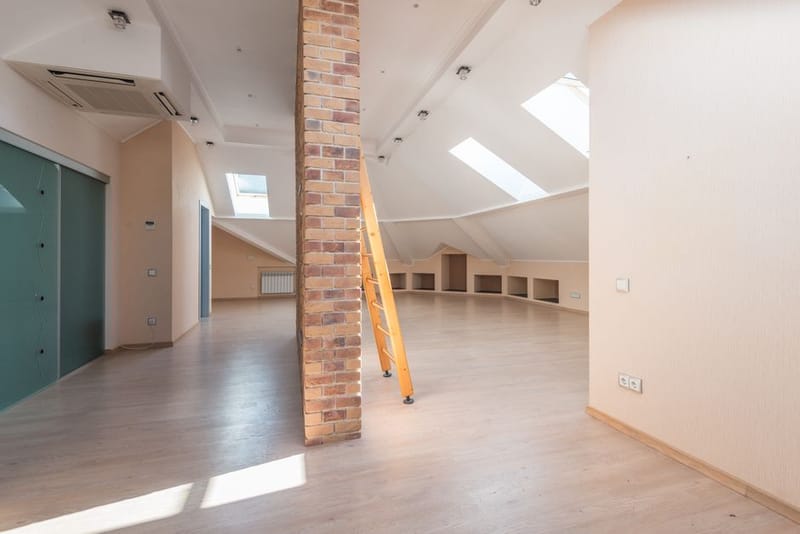
UK loft insulation upgrades are the single most cost-effective property improvement before a heat pump install. This guide covers when MCS surveys require it, the Building Regulations baseline, costs, BUS interaction, and the right sequence.
Why insulation matters before heat pump
Heat-loss-driven sizing means insulation directly reduces heat pump cost.
A heat pump's required capacity is calculated from your property's heat loss at design conditions (typically -5C external, 21C internal). This calculation determines:
- Heat pump unit size + price (5 kW vs 7 kW vs 9 kW = ~GBP 1,500-3,000 cost difference).
- Hot water cylinder size + reheat times.
- Radiator upgrade needs (smaller heat pumps run lower flow temperatures, needing larger emitter surface).
- Daily electricity consumption + annual SCOP.
Improving insulation BEFORE the heat-loss calculation:
- Reduces required heat pump size by 1-2 kW typically (small UK 3-bed).
- Allows lower flow temperatures (28-38C vs 40-50C) - improving SCOP by 10-20%.
- Avoids radiator upgrades (small flow rate at lower flow temp = same comfort with existing radiators).
- Reduces annual electricity use by 15-25%.
Building Regulations L1A insulation baseline
What the regs say + what most UK properties actually have.
Current UK Building Regulations Approved Document L1A (last major update 2022 for England) recommend:
- Loft insulation: 270mm (U-value ~0.15 W/m2K). Roughly 11 inches.
- Cavity wall insulation: filled cavity (U-value ~0.30 W/m2K typical retrofit).
- Solid wall insulation: internal or external solid wall insulation (U-value ~0.30 W/m2K).
- Floor insulation: 100mm typical (U-value ~0.25 W/m2K).
- Glazing: double or triple-glazed (U-value 1.4 W/m2K for double, 0.8 W/m2K for triple).
What typical UK properties actually have:
- Pre-1990 properties: often 50-100mm loft insulation + uninsulated cavity walls + single glazing.
- 1990-2010 properties: 100-200mm loft + filled cavity walls + double glazing typically.
- Post-2010 properties: 270mm loft + filled cavity + double glazing typically.
Pre-1990 properties are the primary candidates for insulation upgrade before heat pump install.
Cost framework for loft insulation upgrade
What it costs + how it pays back.
Loft insulation upgrade costs (typical UK 3-bed semi, ~40-60 m2 loft area):
- DIY mineral wool (100mm to 270mm top-up): GBP 200-400 for materials, 1-2 days work. Suitable for DIY-capable + accessible lofts.
- Professional install (full survey + supply + fit): GBP 600-1,200 typical. Includes inspection of existing insulation, mineral wool or sheep's wool supply, vapour-barrier check, eaves ventilation maintenance.
- Difficult-access loft (board-out, partial trusses, low access hatch): GBP 1,000-1,800 + additional access work.
Pay-back math (typical UK 3-bed):
- Heat-pump sizing reduction: from 7 kW to 5 kW saves ~GBP 1,500 on heat pump unit cost.
- Annual energy saving: ~600-900 kWh = GBP 200-300/year at heat pump tariff.
- BUS grant + heat pump install cost remains same (BUS is heat-pump-only).
- Total saved on heat pump install + 5-year running cost: GBP 2,500-3,000.
- vs insulation install cost GBP 400-1,200 = positive ROI within first year.
BUS + ECO4 + GBIS interaction
What grants cover insulation + heat pump.
BUS (Boiler Upgrade Scheme): heat pump grant only, GBP 7,500. Does NOT cover insulation. The MCS installer assumes adequate insulation when sizing the heat pump (so they're indirectly assessing insulation quality).
ECO4 (Energy Company Obligation, runs to 2026): covers BOTH insulation + heat pumps for eligible households (Universal Credit, Pension Credit, EPC band D-G + qualifying benefits). One ECO4 install can deliver both simultaneously at no cost.
Great British Insulation Scheme (GBIS): 2026 successor / parallel programme to ECO4 for insulation only. Funded by energy suppliers; eligibility broader than ECO4 (includes households not on benefits but in EPC band D-G properties).
Local authority + housing schemes: some councils run targeted insulation programmes (HUG2 includes insulation funding for off-gas-grid properties).
Practical approach: check ECO4 / GBIS eligibility first - if you qualify, get insulation funded externally. If not eligible, budget GBP 400-1,200 for self-funded insulation upgrade as the most cost-effective preparation for the heat pump install.
Sequence - insulation first, then heat pump
Why doing insulation second wastes money.
If you install the heat pump before the insulation upgrade:
- Heat pump sized for current (poorly-insulated) state - typically 1-2 kW larger than needed.
- You pay the higher capital cost for the oversized unit (~GBP 1,500-3,000 extra).
- Oversized heat pumps short-cycle more in mild weather - reducing SCOP + wearing components faster.
- Subsequent insulation upgrade reduces heat demand BELOW the heat pump's minimum modulation, worsening short-cycling further.
- Best outcome is reduced running cost but no recovery of the oversized capital investment.
If you install insulation before the heat pump:
- Heat-loss calculation reflects upgraded property state.
- Heat pump sized correctly (smaller unit) at lower capital cost.
- Lower running cost from day one.
- Existing radiators more likely sized correctly for lower flow temperatures.
- Best SCOP + best lifetime ROI.
Realistic timeline: insulation install 1-3 days; allow 1-2 weeks for measurements to settle before booking heat-loss survey. Total preparation phase: 2-4 weeks before heat pump install starts.