Heat Pump Oil Tank Removal UK 2026
Heat pump oil tank removal UK 2026: tank decommission process, rented vs owned tanks, costs (GBP 200-1,000), environmental disposal, gas-safe removal cert.
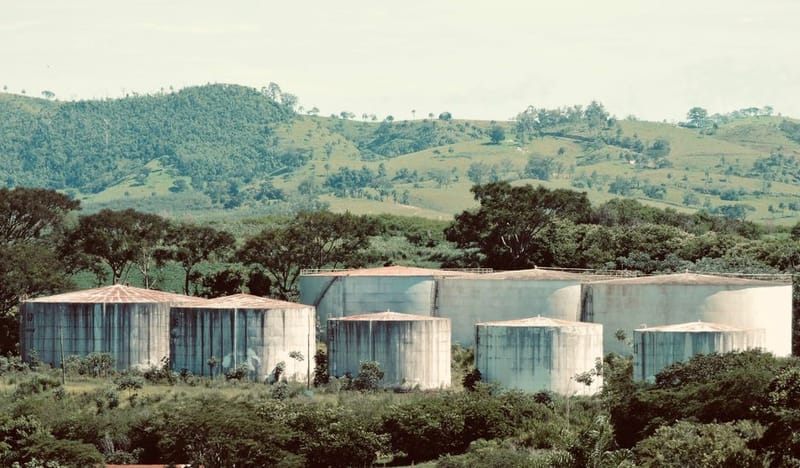
If you're converting from oil heating to a heat pump, the old oil tank can't simply stay in the garden - it needs proper decommissioning + removal. This guide covers the process, the rented vs owned cost differences, environmental compliance, and the OFTEC certification requirements.
Step 1: Drain residual oil
Most UK oil tanks contain 50-200L residual oil at decommission time.
Even when you've used the oil down to 'empty' before the heat pump install, most UK oil tanks retain 50-200L of residual oil + sludge in the bottom. This needs to be removed BEFORE the tank can be safely lifted or disposed of:
- Pumped back to supply: if you have a long-term relationship with the oil supplier, they may offer to pump the residual back to their bulk tanker for credit on your account. Typically 70-85% of the residual value.
- Pumped to a portable container for re-sale: oil reclamation services collect + buy residual fuel oil. Typical rates: ~30-50p/litre for unused fuel oil (vs ~75-90p/litre new).
- Disposed as hazardous waste: if oil quality is too poor for resale (water contamination, sludge), it's disposed as hazardous waste at a licensed facility. Cost: GBP 100-300 depending on volume + facility.
The OFTEC engineer carrying out the decommissioning handles all three pathways + provides documentation.
Step 2: Remove pipework + connectors
Disconnect oil line from boiler position back to tank.
Once the tank is drained, the engineer removes:
- The oil supply line from the boiler position back to the tank (typically copper or plastic-coated copper).
- The fire valve assembly (legally required on UK oil installs).
- The filter + sediment trap at the boiler end.
- The fill point + vent pipe at the tank end (the green/black caps you see on UK oil tanks).
- Any external level-monitoring equipment (Watchman, Apollo, etc.).
If the pipework runs through walls or under floors (common in older properties), the engineer typically caps the line in place rather than removing the full run - removing buried pipework would require unnecessary destructive work.
Step 3: Physical removal of the tank
Single-skin steel tanks are typically lifted intact; bunded + plastic tanks may need cutting.
Tank removal complexity depends on tank type + access:
- Single-skin steel (older, 500-1,500L typical): usually lifted intact by 2-person team or with a mini-crane for larger tanks. Requires clear access from the tank location to a vehicle (typically a 3m+ wide path).
- Bunded steel (modern, 1,000-2,500L typical): heavier + larger footprint. May need crane lift or be cut into sections for removal.
- Plastic (bunded or non-bunded, modern): lighter but bulkier. Typically lifted intact when access allows; cut into sections for tight access.
- Underground tanks (rare in UK domestic, more common in commercial): require excavation + significant remediation work. Specialist contractor needed. Cost can run GBP 2,000-5,000+.
For most UK domestic above-ground tanks, removal takes 2-4 hours including drainage + pipework disconnection.
Step 4: Disposal at licensed facility
Tank scrap + decontamination handled by waste-management contractor.
Once removed, the tank must be disposed of through a licensed waste-management facility:
- Steel tanks: typically decontaminated (residual oil/sludge removed) then sent for scrap-metal recycling. Disposal cost: GBP 100-250 for typical UK domestic tank.
- Plastic tanks: decontaminated + sent for plastic recycling (or energy-from-waste depending on local facility). Disposal cost: GBP 150-350.
- Bunded tanks with integrated bund: more complex disposal due to dual-skin construction. GBP 200-400 disposal.
Your OFTEC engineer should provide a Waste Transfer Note documenting the disposal route + the licensed facility used. Keep this for your records - it may be needed for environmental compliance audits if you sell the property within 5 years.
Rented vs owned tank cost comparison
Rented tanks typically free to remove; owned tanks cost GBP 200-1,200 total.
Rented tanks (most UK LPG + many oil households):
- Supplier (Calor, Flogas, Avantigas for LPG; some smaller suppliers for oil) typically removes at no charge when the supply contract ends.
- Customer's only cost: making the area accessible + handling any residual oil per supplier instructions.
- Typical timeline: 2-4 weeks from supply contract cancellation to tank collection.
Owned tanks (typical for older oil installs):
- Engineer + transport: GBP 200-500 for typical above-ground tank.
- Drainage + decontamination: GBP 100-300 (depending on residual oil disposal route).
- Disposal + scrap fee: GBP 100-400.
- Total: GBP 400-1,200 for owned-tank removal.
Confirm tank ownership before quoting decommissioning work. If you're unsure (common for properties bought with existing oil installs), check property deeds + previous owner's records.
Tank can stay in place (sometimes)
Three scenarios where keeping the tank may be defensible.
Removing the tank isn't always mandatory:
- Property already has multiple outbuildings + the tank doesn't impact garden access. An empty + decommissioned tank in a rural location may be reasonable to leave in place if maintaining it would never become a hazard. Get OFTEC engineer confirmation that the tank is properly decommissioned + sealed.
- Repurpose as water storage / garden feature. Some households convert decommissioned oil tanks into rainwater storage (requires thorough decontamination + lining) or garden features. Costs apply for the conversion work but avoid disposal costs.
- Listed building + planning constraints. If the tank is part of a property's heritage character (rare but possible), planning permission may require keeping it in place.
For most properties, the cleaner path is removing the tank - it eliminates ongoing maintenance responsibility + improves garden usability. Most UK conversions remove the tank as part of the heat pump install package.