Heat Pump for Pre-1900s Historic Property UK 2026
Heat pump for pre-1900s UK historic property: listed status, breathable insulation, and sympathetic siting for Georgian, Regency and Victorian homes.
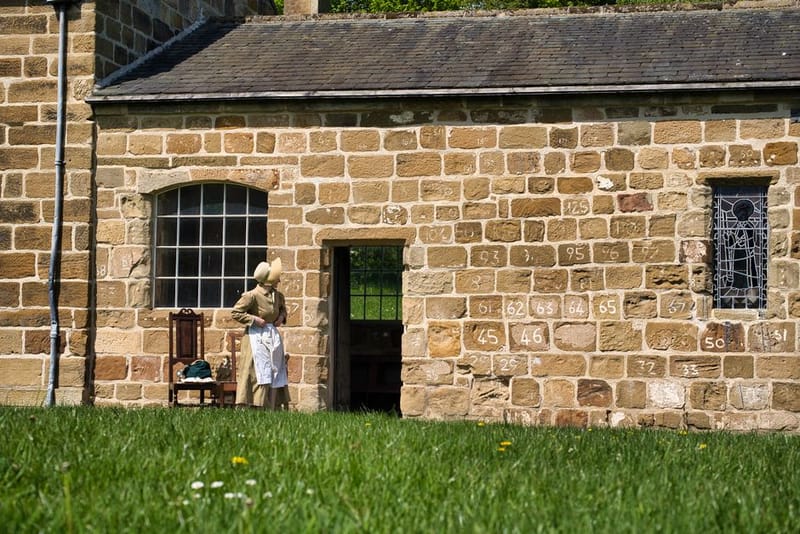
UK pre-1900s historic properties combine the toughest UK heat pump install challenges: solid walls, listed status, breathable insulation requirements. This guide covers the 5 main pre-1900s property types + their distinctive heat pump install considerations.
Pre-1900s UK property landscape
5 distinct construction eras.
UK pre-1900s heritage stock (~3 million properties) spans 5 distinct construction eras:
- Tudor (1485-1603): ~30,000 surviving properties. Timber-frame construction with wattle + daub or stone/brick infill. Famous chimneys, exposed beams. Very high heritage sensitivity.
- Stuart (1603-1714): ~50,000 surviving. Transitional - timber-frame giving way to solid brick. Decorative features like Dutch gables. Many smaller properties.
- Georgian (1714-1830): ~600,000 surviving. Formal solid brick or stone construction. Tall sash windows. See dedicated Georgian guide.
- Regency (1810-1830): ~80,000 surviving. Refined late Georgian - bay windows, classical proportions, often coastal (Brighton, Cheltenham).
- Early Victorian (1830-1900): ~2 million surviving. Solid brick walls (typically), sash windows, ornate cornicing. Most common pre-1900s UK property type.
Common construction features:
- Solid wall construction (no cavity).
- Wooden sash or casement windows (typically single-glazed original).
- Slate or clay tile pitched roofs.
- Original chimneys + fireplaces in principal rooms.
- Suspended timber ground floors over ventilated subfloor.
- Original cast-iron or wrought-iron radiators (Victorian retrofit common).
Listed status implications
Most pre-1900s properties Grade II+ listed.
UK pre-1900s properties listing rates (Grade II + above):
- Tudor: ~95% listed.
- Stuart: ~90% listed.
- Georgian: ~85% listed.
- Regency: ~75% listed.
- Early Victorian: ~30% listed (later Victorian rarely listed unless distinctive).
Listed Building Consent process:
- Grade II (vast majority): standard LBC + planning. 12-20 weeks typical.
- Grade II*: stricter heritage review + Historic England consultation. 16-26 weeks.
- Grade I (rare): intensive heritage review; Historic England intensive consultation. 6-12 months. Heat pump install sometimes refused on heritage grounds for very significant properties.
Conservation areas: separate from listing; planning permission required regardless of permitted development rules. 85%+ of pre-1900s properties in conservation areas.
Conservation architect: almost always worth the GBP 1,500-4,000 fee for LBC application - higher approval rate + faster timeline + designs sympathetic to property character.
Tudor + Stuart properties - distinctive considerations
Pre-Georgian timber-frame heritage.
Tudor + Stuart timber-frame construction creates specific challenges:
- Wattle + daub infill panels: woven sticks + clay/dung/straw mix. Very low U-value (1.5-2.5 W/m2K) but irreplaceable heritage. Internal wall insulation behind plaster only viable upgrade - extreme care needed.
- Exposed timber beams: character-defining; cannot be insulated over without losing heritage character.
- Inglenook fireplaces + chimneys: often historic features; some operable, some decommissioned. Outdoor unit siting must avoid chimney sightlines.
- Listed status near-universal: ~95% of surviving Tudor + Stuart properties listed Grade II+.
- Specialist conservation contractor essential: generic MCS installers + conservation work do not mix; need RIBA conservation architect + specialist contractor.
Heat pump siting options:
- Detached outbuilding (coach house, barn, stable conversion) - by far the best option.
- Recessed alcove or rear-of-property courtyard - if architecturally appropriate.
- GSHP via borehole - eliminates visible outdoor unit; often LBC-approvable.
- Air-source outdoor unit on main property elevation rarely approved.
Regency + early Victorian properties
Solid brick / stone construction.
Regency (1810-1830) + Early Victorian (1830-1900) UK properties:
- Construction: solid brick walls (typically 200-280mm); stone walls in some regions (Yorkshire, Cumbria, Lake District); decorative cornicing + ceiling roses; ornate fireplaces in principal rooms.
- Bay windows (Regency): elegant 3-sided or 5-sided projecting windows; tall sash glazing; significant heat-loss hotspot.
- Window styles: 6-pane or 12-pane sash; sometimes casement; wooden frames; typically replaced 1990s-2010s with UPVC or hardwood double-glazing.
- Conservation listing: Regency ~75% listed; early Victorian ~30%.
Heat pump install considerations:
- Solid wall insulation upgrade essential for cost-effective heat pump install.
- External wall insulation (EWI) sometimes acceptable for non-listed early Victorian; internal wall insulation (IWI) preferred for listed/conservation.
- Sash window upgrade via secondary glazing (preserves character) OR slim-profile DGU (specialist install).
- Outdoor unit siting per LBC conditions - rear garden, detached outbuilding, or sympathetic alcove.
Breathable insulation - the critical specification
What's safe + what damages pre-1900s walls.
BREATHABLE materials (safe for pre-1900s walls):
- Hemp + lime plaster: ~50-100mm; U-value to 0.40-0.50 W/m2K. Specialist install (GBP 100-180/m2). Best breathability profile.
- Wood fibre board (Pavatex, Steico, Diffutherm): 60-100mm; U-value to 0.35-0.45 W/m2K. Specialist install (GBP 90-150/m2). Good breathability.
- Lime hemp insulation: 75-150mm; specialist trowel-applied. Excellent breathability.
- Sheep wool batts: within timber frame studs only (Tudor + Stuart context); ~80-120mm. Breathable.
IMPERMEABLE materials (do NOT use on pre-1900s walls):
- PIR rigid foam (Kingspan, Celotex) - traps moisture; structural damage.
- Polystyrene (EPS, XPS) - same problem.
- Plasterboard with PIR backing - vapour barrier traps moisture.
- Cement-based renders - non-breathable; cracks under thermal cycling.
Why breathability matters:
- Pre-1900s walls absorb + release moisture seasonally - design feature, not bug.
- Modern impermeable insulation traps moisture at the wall/insulation interface.
- Result: condensation, timber rot, lime mortar degradation, paint flaking, mould.
- Damage typically appears 2-5 years post-install; remediation cost GBP 5,000-20,000+.
Conservation officer + listed building consent typically require breathable systems specifically.
Outdoor unit siting strategies for historic properties
Sympathetic design per LBC conditions.
Pre-1900s properties require especially sympathetic outdoor unit siting:
- Detached outbuilding (preferred): coach house, mews, barn, stable conversion. Eliminates outdoor unit from main property sightlines. Refrigerant pipework runs underground. Additional cost GBP 1,000-3,000 vs adjacent siting.
- Recessed alcove or rear-of-property courtyard: some Georgian + Victorian properties have service alcoves below sightline. Bespoke screening (timber slat in oak, lime stone matching property) typically required as LBC condition.
- Below-ground GSHP option: ground-source heat pump via borehole eliminates visible outdoor unit. Indoor manifold in basement plant room. Cost GBP 25,000-45,000 install but often the only LBC-approvable option for Grade II*/I properties.
- Air-source unit on main property elevation: almost never LBC-approved. Don't propose without specialist conservation architect agreement.
Bespoke screening materials by property era:
- Tudor: oak timber slat screen.
- Stuart + Georgian: lime-rendered brick wall matching property.
- Regency: cast-iron decorative screen (matches railings).
- Victorian: brick or slate-faced screen matching property.
Cost framework for full pre-1900s retrofit
Itemised typical UK Grade II 3-bed.
Full envelope + heat pump for typical UK Grade II pre-1900s 3-bed:
- Conservation architect + LBC application: GBP 2,000-5,000.
- Breathable IWI (hemp+lime or wood fibre, ~150-200 m2): GBP 13,500-30,000.
- Secondary glazing all windows (8-12 sash typical): GBP 6,400-24,000.
- Suspended floor insulation (breathable sheep wool): GBP 1,500-3,000.
- Loft insulation upgrade (sheep wool breathable): GBP 600-1,500.
- Sympathetic outdoor unit siting + bespoke screening: GBP 1,500-5,000 (or GSHP borehole GBP 15,000-25,000).
- Heat pump install (12-16 kW R290 for pre-1900s higher demand OR GSHP equivalent): GBP 14,000-22,000.
- Radiator upgrades (selective - keep some cast-iron character; oversize others for low flow temp): GBP 1,500-4,000.
- BUS grant: -GBP 7,500.
- ECO4 / GBIS where eligible: -GBP 0-3,000.
- Net total: GBP 33,500-87,000 depending on scope + GSHP vs ASHP choice.
Realistically GBP 40,000-60,000 for typical Grade II pre-1900s 3-bed full retrofit. Higher than Georgian-specific because spans broader heritage period including Tudor + Stuart needing more specialist work.
Realistic SCOP for pre-1900s properties
Thermal envelope fundamentally constrains.
- Unimproved pre-1900s: SCOP 2.0-2.5. Aux heater high; bills barely better than oil. Not economically viable.
- Partial improvements (secondary glazing + breathable IWI): SCOP 2.8-3.2. Modest improvement; bills competitive with oil.
- Full envelope + GSHP (where viable): SCOP 3.5-4.0. Excellent given heritage constraints.
- Solid wall U-value floor: ~0.30 W/m2K with breathable IWI - never matches modern cavity (0.18) or new build (0.13). SCOP ceiling for pre-1900s is ~4.0; cannot match modern build (4.5+).
For pre-1900s properties, full envelope work + GSHP combination delivers the maximum SCOP achievable. Standalone heat pump on unimproved property delivers poor SCOP + running cost barely better than oil = poor lifetime ROI.