Heat Pump Pipework Upgrade Requirements UK 2026
Heat pump pipework upgrade UK 2026: 22mm/28mm flow + return, branch sizing, pump head, balancing valves, bypass loops.
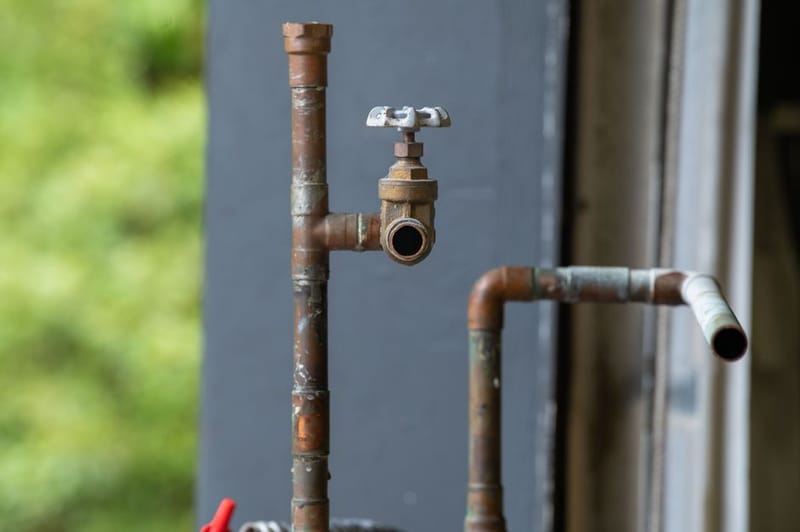
Pipework upgrades are the single most under-budgeted aspect of UK heat pump retrofit. This guide covers the 2026 UK Building Regs requirements + the practical install path for typical UK 3-bed homes.
Why heat pump pipework is bigger than gas combi pipework
Flow rate ≠ flow temperature.
Heat delivered = flow rate × temperature drop across radiator × specific heat capacity of water.
Gas combi at 70C flow / 50C return (Delta-T 20): Each litre/sec of water delivers 84 kW heat.
Heat pump at 50C flow / 45C return (Delta-T 5): Each litre/sec of water delivers only 21 kW heat - 4x less than gas.
This means heat pumps need 2-4x higher water flow rates to deliver the same heat output. Result: bigger pipes (less friction loss) + harder-working pumps.
Practical implication:
- 22mm pipe carries ~16 L/min at acceptable head loss.
- 28mm pipe carries ~38 L/min - 2.4x more.
- For a typical 7-9 kW heat pump, primary loop needs 28mm. Period.
Pipe size decision tree
Where each diameter belongs.
28mm pipework (was 22mm in gas systems):
- Primary flow + return: heat pump → cylinder coil + manifold start.
- Whole-house primary loop on >7 kW heat pump.
- Mandatory for heat pump install > 7 kW per MCS guidance.
- Cost premium vs 22mm: ~30% more for copper, ~15% more for plastic.
22mm pipework (was 15mm in gas systems):
- Branches feeding multiple radiators (3-5 radiators on one circuit).
- Feeds to ground-floor radiator banks.
- Upper-floor branch trunks.
15mm pipework (unchanged from gas systems):
- Individual radiator drops (final 1-2m to each radiator).
- Towel rail feeds.
- Underfloor heating manifold loops (typically 15mm or 10-12mm UFH-specific PEX).
10mm microbore pipework (LEGACY ONLY - replace):
- Common in 1970s-1990s UK central heating systems.
- Carries insufficient flow for heat pump operation - acts as flow bottleneck.
- Replace with 15mm minimum on every radiator drop.
- Adds ~GBP 1,000-2,500 to retrofit cost; non-negotiable for heat pump operation.
Pump head + secondary circulator
Hydraulic pressure considerations.
Most modern UK heat pumps (R290 Vaillant aroTHERM, Daikin Altherma 3, Mitsubishi Ecodan) include an internal pump rated for ~4-5m head, sufficient for typical UK 3-bed install with 28mm primary + 22mm branches.
Secondary circulator (booster pump) typically needed when:
- Total pipe run > 30m (primary + branch).
- UFH manifold + radiator circuits both present (split flow needs).
- Heat pump > 12 kW (proportionally more flow demanded).
- Hydraulic separator + low-loss-header configuration.
Pump head calc rough rule:
- Primary flow + return resistance: 0.05-0.10m per linear metre of 28mm pipe.
- + radiator + TRV + manifold resistance: 1-2m total.
- + cylinder coil resistance: 0.5-1m.
- Total typical UK 3-bed: 3-5m head. Heat pump internal pump suffices.
If install design exceeds 5m head, specify a secondary circulator (Wilo Stratos PICO 25/1-6 or similar at ~GBP 200-300) at the design stage rather than retrofitting later.
Balancing valves + bypass loops
Avoiding hydraulic short-circuits.
Heat pumps work best with steady continuous flow. Two design features ensure this:
1. Lockshield balancing valves (each radiator):
- One TRV on supply side, one lockshield on return side per radiator.
- Lockshield restricts flow to that radiator - achieves design Delta-T (typically 5C).
- Without balancing, hot water short-circuits to the nearest radiator + cool rooms.
- Heat pump install MUST include balancing - typically GBP 200-500 commissioning fee.
2. Auto-bypass valve (single):
- Located near heat pump or main flow manifold.
- Opens at high system pressure (TRVs all closed = backed-up flow).
- Prevents heat pump short-cycling on rapid demand changes.
- Cost: GBP 50-150 valve + install.
3. Low-loss header / volumiser tank (large installs):
- 40-50L thermal store decouples heat pump flow rate from radiator demand.
- Reduces short-cycling at low demand.
- Common on 12+ kW heat pumps; rare on 4-9 kW UK domestic units.
- Cost: GBP 300-500.
Cost framework for typical UK 3-bed pipework upgrade
Partial vs full repipe.
Scenario 1: Modern (post-2000) 15-22mm pipework, no microbore:
- Upgrade primary loop 22mm → 28mm (heat pump → cylinder + manifold start).
- ~10-15m new 28mm copper + fittings: GBP 400-700.
- Labour: 4-6 hours: GBP 250-400.
- New balancing valves + auto-bypass: GBP 150-300.
- Total: GBP 800-1,400.
Scenario 2: Mixed 10-15-22mm with some microbore drops:
- Primary loop 22mm → 28mm: GBP 400-700.
- Microbore replacement on 4-6 radiator drops (15mm): GBP 800-1,500.
- Branch 15mm → 22mm where needed: GBP 300-600.
- Balancing + bypass: GBP 150-300.
- Total: GBP 1,650-3,100.
Scenario 3: Full 1970s-1980s microbore system:
- Full repipe primary + branches + drops: GBP 3,000-5,500.
- Includes lifting floors / running new runs.
- Typically requires 2-3 day install.
- Total: GBP 3,000-5,500.
Installer specification checklist
What to require on heat pump quotes.
- Confirm primary loop is 28mm for heat pumps >7 kW.
- Heat-loss calculation per room (NOT 'rule of thumb') determines branch sizing.
- Microbore replacement quoted separately with itemised radiator drops + labour.
- Balancing commissioning included - all TRVs + lockshields set, written record.
- Auto-bypass valve installed on flow manifold.
- Pump head calc shown - prove the heat pump internal pump suffices OR secondary circulator quoted.
- Magnetic system filter (MagnaClean or similar) on return - protects heat pump exchanger from system sludge.
- Inhibitor + glycol fill spec shown - 30-40% propylene glycol for frost protection; system inhibitor X100 standard.