Heat Pump for Off-Grid Leisure Cabin UK 2026
Heat pump for UK off-grid leisure cabin 2026: solar PV pairing, battery, low-occupancy schedule, freeze protection, when LPG backup needed.
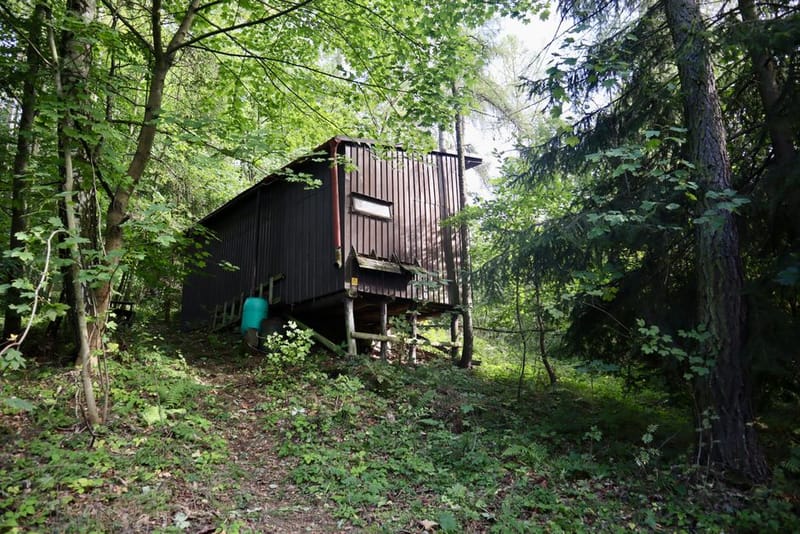
Off-grid UK leisure cabins face unique heat pump install considerations - intermittent occupancy, extreme exposure, no mains electricity (or limited supply). This guide covers the 3 viable approaches, occupancy scheduling, freeze protection, and the budget framework for these distinctive UK properties.
Off-grid cabin context - what makes install distinctive
Four structural differences from standard residential.
- Grid access varies: some 'off-grid' cabins have limited single-phase supply (60A or smaller); others genuinely have no grid + rely on generation.
- Intermittent occupancy: typical UK leisure cabin used 20-40% of weekends + holiday periods. 60-80% of the year empty.
- Extreme exposure: often Highland, exposed coastal, or upland locations. Design temps -10 to -15C effective; wind chill significant.
- Freeze protection critical: property unattended during cold weather; freeze-burst plumbing causes substantial damage during multi-week absences.
Combined: heat pump install needs to handle exposure + freeze protection + intermittent power if off-grid. Not the same install as urban residential heat pump.
Approach 1: solar PV + battery + heat pump
Best for genuinely off-grid sites with solar potential.
Self-sufficient solar + battery + heat pump install:
System sizing (typical 80m2 UK cabin):
- Heat pump: 5-7 kW R290 unit.
- Solar PV: 6-10 kWp south-facing (need to cover heat pump electricity + battery charging).
- Battery storage: 15-25 kWh (Tesla Powerwall, GivEnergy, BYD; provides evening + nighttime power).
- Generator backup: small 3-5 kW diesel/petrol generator for extended low-solar periods.
Cost framework:
- Heat pump install: GBP 10,000-13,000.
- Solar PV install: GBP 6,000-10,000 (6-10 kWp).
- Battery storage: GBP 8,000-15,000.
- Generator backup: GBP 2,000-4,000.
- Off-grid electrical infrastructure: GBP 2,000-5,000 (inverter, transfer switch, distribution panel).
- BUS grant on heat pump: -GBP 7,500.
- Net total: GBP 20,500-39,500.
Operating cost: near-zero fuel cost; ~GBP 50-150/year for generator backup fuel during low-solar months. ~GBP 100-200/year for system maintenance.
Approach 2: generator + heat pump
Compromise option for low-solar sites.
Generator-powered heat pump (no solar):
- Diesel or petrol generator sized to power heat pump + cabin load (typically 5-10 kW generator).
- Heat pump runs only during occupancy when generator is on.
- Setback / freeze-protection during absence via small inverter + battery for controller power only.
Cost framework:
- Heat pump install: GBP 10,000-13,000.
- Generator: GBP 3,000-8,000 (5-10 kW commercial unit).
- Fuel storage + transfer switch + electrical infrastructure: GBP 2,000-4,000.
- BUS grant: -GBP 7,500.
- Net total: GBP 7,500-17,500.
Operating cost: GBP 1,500-3,000/year fuel for typical 30% occupancy cabin. Generator maintenance GBP 200-500/year.
Best for: sites with poor solar potential (heavily wooded, north-facing); short-term ownership planning; properties where solar PV install impractical.
Long-term economics weaker than solar+heat pump due to ongoing fuel cost. Reconsider this approach if cabin will be retained 10+ years.
Approach 3: hybrid heat pump + LPG backup
When grid connection is available but cabin is exposed.
For cabins WITH mains electricity but in exposed locations (Highlands, coast):
- Heat pump as primary heating via mains electricity (standard install).
- LPG boiler as backup for cold-snap reliability + extended absence freeze protection (runs independently of heat pump even during power cuts if appropriate setup).
Cost framework:
- Heat pump install: GBP 10,000-14,000.
- LPG boiler + tank install: GBP 4,000-8,000.
- Combined controls + integration: GBP 1,500-3,000.
- Annual LPG: GBP 200-500/year typical (occasional backup use).
- BUS grant: -GBP 7,500.
- Net total: GBP 8,000-17,500.
Best for: cabins with mains electricity + significant exposure where backup reliability matters. Combines heat pump efficiency + LPG reliability.
Occupancy scheduling - critical for low-use properties
Smart thermostat configuration.
Low-occupancy cabins benefit massively from intelligent scheduling:
- Default setback (16-18C indoor): during absences. Frost protection + low cost.
- Pre-arrival boost: heat to 19-21C 4-6 hours before arrival via app or geofencing. Cabin warm on arrival without wasting heat during travel time.
- Active occupancy comfort (19-21C): during stay.
- Post-departure setback: immediate drop to 16-18C when guests leave (geofence or scheduled).
- Freeze protection mode always-on: below +3C outdoor, circulator pump runs continuously regardless of indoor target. Mandatory for off-grid + exposed cabins.
Smart thermostat tools:
- Tado, Drayton Wiser, Honeywell Evohome - geofencing + app-driven schedules.
- Manufacturer apps (Vaillant Connect, Daikin Onecta, Octopus app) - basic scheduling + setpoint override.
- Property management software (Hostfully, Lodgify, OwnerRez) - integrate with smart thermostats for booking-driven heating.
Freeze protection - non-negotiable
Extended absence + extreme cold = the highest risk.
Off-grid + exposed cabins face the highest freeze-burst risk in UK heating. Multi-week absences during winter cold snaps = property unattended when freezing damage occurs.
Standard freeze protection (heat pump's built-in mode):
- Circulator pump runs continuously below +3C outdoor.
- Heat pump briefly fires if water temp drops below 5C.
- Requires mains power (or solar+battery sufficient to maintain circulator).
Enhanced freeze protection for off-grid cabins:
- UPS for controller + circulator: battery backup keeps freeze protection alive 2-4 hours during power loss.
- Glycol in hydronic circuit: 15-25% propylene glycol provides freeze protection independent of power. 3-5% SCOP penalty continuous but eliminates freeze risk during extended outages.
- Auto-drain valves: some premium heat pumps drain heat exchanger water when extended power loss + cold weather coincide.
- Remote monitoring + alerts: manufacturer app sends alert if heat pump goes offline during cold weather; absent owner can dispatch caretaker.
- Local caretaker arrangement: trusted local with key + smart-controller access for emergency intervention.
For genuinely off-grid + remote cabins: glycol + UPS + remote monitoring + caretaker arrangement all four together. Cost ~GBP 800-2,000 above standard install but prevents potentially catastrophic freeze damage.
Decision framework - which approach for which cabin
Pick based on grid + occupancy + exposure.
- Genuine off-grid + good solar potential + long-term ownership: solar PV + battery + heat pump (highest upfront, lowest ongoing).
- Genuine off-grid + poor solar OR short-term ownership: generator + heat pump (lower upfront but high ongoing cost).
- Mains electricity available + exposed location + reliability priority: hybrid heat pump + LPG backup.
- Mains electricity available + standard exposure: standard heat pump install (per our other guides) + smart scheduling for low occupancy.
Don't over-engineer for occasional cabin use. A standard heat pump install with smart scheduling delivers ~80% of the value of bespoke off-grid systems if mains electricity is available.