Heat Pump for Extension or Conservatory UK 2026
Heat pump for UK extension or conservatory 2026: sizing implications, zoning strategy, when to add a separate small unit, Building Regs L1A.
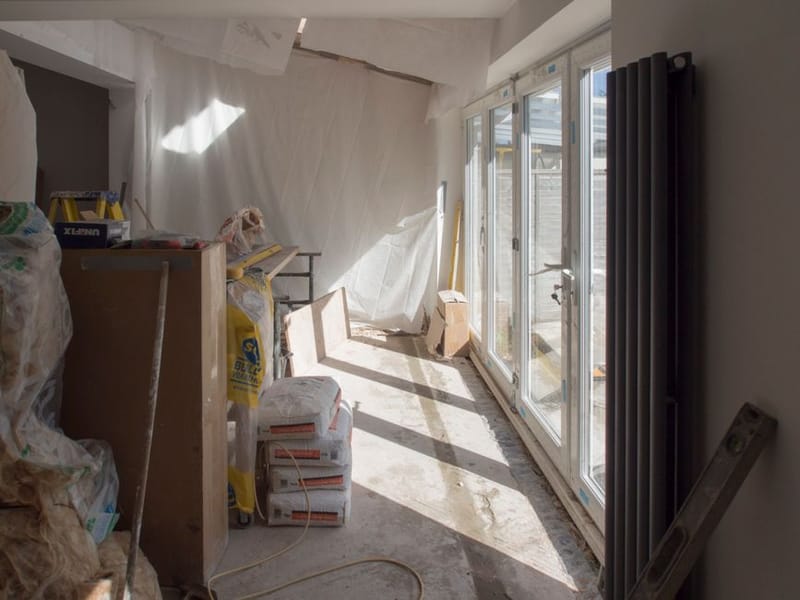
Adding an extension or conservatory to a UK home with an existing heat pump raises three connected questions: does the heat pump have spare capacity? Does the new space have adequate insulation? Is it worth zoning separately? This guide covers the decision framework + practical install approaches.
Step 1: assess existing heat pump headroom
How much spare capacity does your current unit have?
Look up your existing heat pump's rated output + compare to current heat demand:
- Heat pump nameplate rating: typically 5, 7, 9, 12 kW at standard conditions (7C outdoor, 35C flow).
- Current peak heat demand: from your installer's heat-loss calc, OR estimate from current property (typical UK 3-bed semi 5-7 kW at design conditions).
- Spare capacity: rated output minus current demand. Healthy install has 15-25% headroom; tightly-sized install has under 10%.
Example: 7 kW heat pump serving a 5.5 kW demand has ~21% headroom = ~1.5 kW available for an extension. A small extension (10-15m2) at 100-150 W/m2 design heat demand uses ~1.5 kW - just fits.
Path 1: small extension (under 20m2) with adequate headroom
Add to existing heat pump - simplest path.
If your heat pump has spare capacity for the new space, extend the existing system:
- Add radiators or underfloor heating loop to the new room.
- Tie into the existing primary circuit via T-fittings + balancing valves.
- Update heat pump controller to recognise the new zone (most modern units support zone configuration).
- Re-commissioning: rebalance flow rates after install + verify all rooms still reach setpoint.
Typical install cost (small extension):
- 2-3 radiators + pipework: GBP 800-1,500.
- Or underfloor heating loop (10-15m2): GBP 1,200-2,500.
- Plumbing tie-in + commissioning: GBP 500-1,000.
- Total: GBP 1,500-3,500 typical.
SCOP impact: minimal if heat pump still has 10%+ headroom after adding extension. May see 0.1-0.2 SCOP reduction during cold-snap operation when the unit is closer to its capacity limit. Worth it for the marginal extra heated space.
Path 2: larger extension or near-capacity heat pump
Upgrade heat pump or add second unit.
If extension is 20m2+ OR heat pump is already near capacity, two options:
Option A: replace existing heat pump with larger model.
- Remove existing 5-7 kW unit; install 9-12 kW replacement.
- Reuses existing pipework, cylinder, radiators where compatible.
- Cost: GBP 6,000-10,000 net of BUS (full new install ex some shared infrastructure).
- Best for: extensions large enough to justify completely new sizing; properties planning long-term ownership.
Option B: add second small heat pump with hydraulic separation.
- Install a second 3-5 kW heat pump dedicated to the extension.
- Hydraulic separator (low-loss header) decouples the two heat pumps.
- Each unit runs independently + optimised for its zone.
- Cost: GBP 4,000-7,000 for second unit + install + hydraulic separation.
- Best for: extensions with different occupancy patterns (e.g. annex, granny flat); properties where retaining the original unit is preferred.
Choose Option A when: single-occupancy household with consistent heating preferences; extension shares thermal profile with rest of house; long-term ownership planned.
Choose Option B when: annex or independent space with different occupancy / hours; existing heat pump in good condition + recently installed; budget pressure (smaller second unit cheaper than full replacement).
Conservatories - the special case
Massive glazing heat loss means traditional heating struggles.
Conservatories are notorious for heating challenges:
- Glazing accounts for 60-80% of surface area - even with double glazing (U-value ~1.4), total heat loss per m2 is 3-5x a brick wall.
- Roof typically polycarbonate or glass - poor U-value (~2.0-3.5).
- Floor often uninsulated if added as later extension.
- Air infiltration high at glazing-to-frame joints.
Result: a 15m2 conservatory might have 3-5 kW peak heat demand - similar to an entire heated bedroom in the main house.
Heat pump compatibility:
- Low flow temperatures (35C) struggle to push heat into the cold space; conservatory rarely reaches setpoint.
- Standard radiator output undersized for the massive heat loss.
- Underfloor heating works better if floor insulation upgraded - radiant heat compensates for cold glazing.
Best practice for conservatory:
- Upgrade thermal envelope FIRST. Replace single-glazed with double or triple. Insulate floor + replace polycarbonate roof with insulated panels (if planning regs allow).
- Specify oversized emitters. Larger radiators or UFH with low-temperature design.
- Consider electric panel heating as supplementary. For occasional use spaces, dedicated electric heating may be more practical than extending the heat pump system.
- Building Regs check. Many conservatory extensions exceed glazing % limits + require dispensation. Designer should confirm at planning stage.
Building Regulations + planning implications
What to check before committing.
Extensions over 50m2 (or that change the building's overall energy performance) need SAP compliance demonstrating:
- New construction meets current U-value standards (270mm loft, filled cavity walls, double glazing minimum).
- Adequate heat source for the combined property heat demand.
- Renewable energy contribution where applicable.
Your architect or designer handles the SAP calculation at planning stage. They'll confirm whether the existing heat pump can cover the combined demand OR whether a heat pump upgrade is required to meet Building Regs.
Conservatory extensions have separate rules - typically can be exempt from Building Regs if under 30m2 + separated from the house by external doors. Heating decision is then yours rather than regs-driven.