Heat Pump and Conservation Area UK 2026
Heat pump in UK conservation area 2026: when planning permission applies, Article 4 directions, sympathetic siting, application timeline + cost.
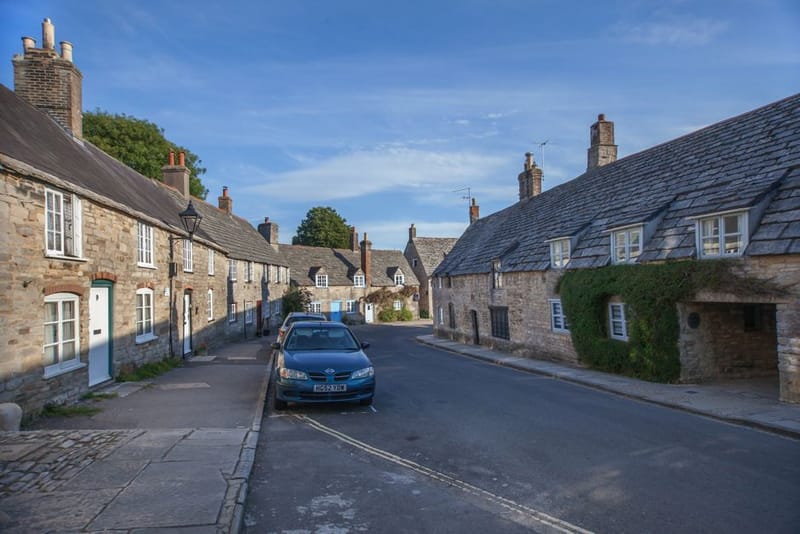
UK conservation areas (~10,000 of them, covering 2.2% of England's land area + similar proportions in Scotland / Wales) require planning permission for heat pump installs - permitted development rules don't apply within their boundaries. This guide covers the application process, what planners assess, and Article 4 direction nuances.
Why permitted development doesn't apply in conservation areas
Conservation area designation removes PD rights for outdoor heat pump units.
The permitted development order for air-source heat pumps EXPLICITLY excludes installations within conservation areas. This applies to:
- Outdoor unit installation on ANY elevation (not just principal).
- Outdoor unit installation in ANY garden location, including rear gardens out of public view.
- Properties of all sizes within the conservation area boundary.
Why? Conservation area designation exists to preserve architectural + historic character. Outdoor unit additions are considered material alterations that need case-by-case review for character impact - even when the unit would be functionally identical to those allowed under PD elsewhere.
The application process
Standard householder planning application to your local council.
The application process:
- Application route: standard householder planning permission via your local council (online via Planning Portal or council's own planning system).
- Application fee: GBP 206 (2026 rate for householder applications in England; slightly different in Scotland + Wales).
- Processing time: 8 weeks statutory, typically 8-12 weeks in practice for straightforward cases. Complex cases (objections, heritage officer queries) can extend to 12-16 weeks.
- Required documents: location plan, site plan showing outdoor unit position, elevation drawings showing unit position relative to property + neighbours, design + access statement justifying the proposal, manufacturer noise rating documentation.
- Consultation: council notifies neighbours + relevant statutory consultees (Historic England NOT typically consulted for conservation area heat pumps unless property is also listed).
An experienced heat pump installer typically handles the application as part of their install package (~GBP 400-800 typical for application preparation + submission).
What planners assess
Five factors that determine approval outcome.
- Visual impact on conservation area character. Sight-lines from public highways + neighbouring properties. Rear garden siting, well-screened, away from principal elevation strongly favoured.
- Outdoor unit elevation choice. Principal elevation (front-facing) installs typically refused. Rear or side elevations preferred. Roof-mounting typically not acceptable for conservation areas.
- Acoustic impact. Manufacturer noise rating at 1m + estimated noise at neighbour boundaries. 1m+ from boundary required typically; 2-3m better.
- Screening proposals. Bespoke timber slat panel, traditional brick wall, or planted screening sympathetic to local character. Generic plastic fencing typically refused.
- Cumulative impact. If neighbouring properties already have heat pumps installed, council may consider the cumulative streetscape change.
Approval rates for sympathetically-sited installs typically run ~85%. Refusals usually involve principal-elevation siting, unsuitable screening, or close-to-boundary noise concerns.
Article 4 directions - additional restrictions
Some conservation areas have additional permitted-development restrictions.
Some conservation areas have Article 4 directions in place - council orders that remove specific PD rights to give planners control over particular types of change. Common Article 4 restrictions include:
- Replacing original windows or doors
- Painting external walls
- Removing front boundary walls or hedges
- Single-storey extensions
- Outbuildings or garages
Heat pump installs in conservation areas need planning permission regardless of Article 4 status (because PD doesn't apply anyway). But Article 4 areas may ALSO require consent for:
- Bespoke screening structures (timber slat panels, brick walls) - even when ancillary to the heat pump install
- Concrete pad or paving for the outdoor unit
- Modifications to existing garden walls or fences to accommodate the install
Check your council's planning portal for Article 4 maps + restrictions before finalising design. The combined heat pump + ancillary works typically fits within a single planning application.
Sympathetic siting - what planners want to see
Five siting principles that drive approval.
- Rear garden siting. Out of public view from any highway. The single most important factor for approval in conservation areas.
- Non-principal elevation. Side or rear wall mounting, never front. Roof installation typically not acceptable.
- Below first-floor level. Ground-floor or basement-level mounting preferred. Above-ground mounting (e.g. flat roof over a single-storey extension) needs strong justification.
- Sympathetic screening. Timber slat panel matching existing fencing, brick wall matching property style, or planted screening (yew / box hedging). Generic plastic fencing or chain-link refused.
- Heritage-sensitive materials. Concrete pad acceptable if hidden; consider gravel or paving slabs matching local style for visible portions.
Worth photographing your proposed install location + 5-10m surrounding context to include in the design + access statement - planners appreciate seeing the visual context their decision affects.
Timeline + cost framework
Realistic UK 2026 conservation area heat pump install.
Realistic timeline for a UK conservation area heat pump install:
- Week 1-2: heat pump installer survey + design + sympathetic siting proposals.
- Week 3: pre-application enquiry to council (optional but recommended). ~GBP 100.
- Week 4-5: planning application preparation + submission. ~GBP 600 for installer fees + GBP 206 council application fee.
- Week 6-13: council processing (8 weeks statutory, often 8-12 in practice). Neighbour consultation period included.
- Week 14: decision issued. Approval typically 85% rate for sympathetically-sited proposals; refusals require redesign + resubmission (further 8-12 weeks).
- Week 15-16: install execution.
Total timeline: 12-16 weeks from initial enquiry to operating heat pump. Add 4-6 weeks if first application refused.
Cost framework: standard residential heat pump install (GBP 10,000-14,000 pre-BUS) PLUS ~GBP 800-1,200 planning + bespoke screening costs. BUS grant still applies once planning permission granted.