Heat Pump for EV-Charging Households UK 2026
Heat pump + EV charger UK 2026: combined load planning, consumer unit upgrade, smart-tariff coordination, peak avoidance.
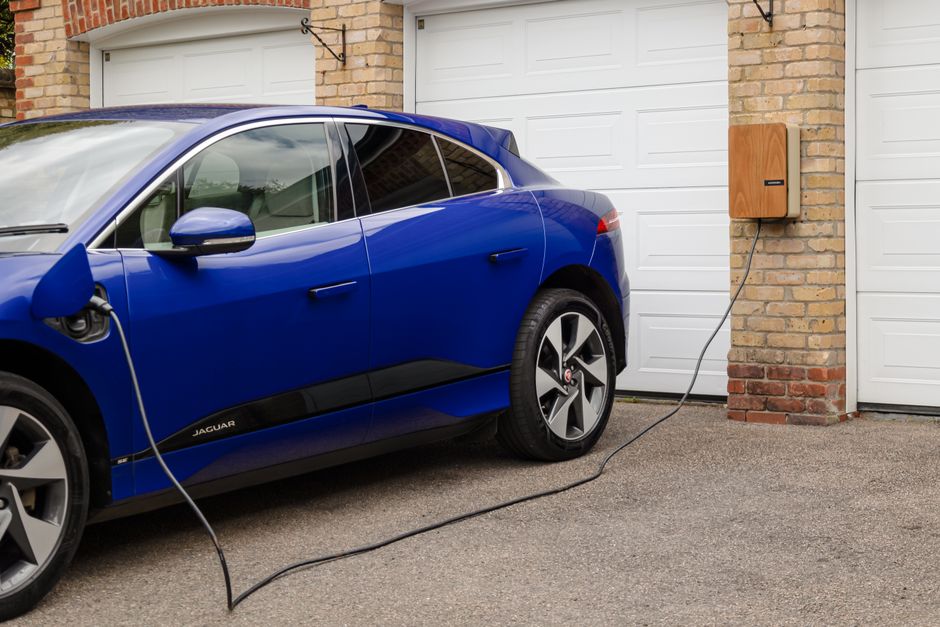
Combining heat pump + EV charger in UK 2026 households requires electrical-load planning + smart-tariff coordination to avoid fuse trips + maximise cost savings. This guide covers the install path.
Combined electrical load - the supply problem
Why this matters.
Typical UK domestic electrical supply:
- Standard single-phase: 80A or 100A from the DNO (network operator).
- 80A supply: max ~19 kW continuous (80A × 240V).
- 100A supply: max ~24 kW continuous.
Typical UK 3-bed peak load (without heat pump + EV):
- Lighting + appliances + cooking: 3-5 kW average peak.
Adding heat pump (typical 3 kW peak):
- Total: 6-8 kW peak. Within 80A capacity comfortably.
Adding EV charger (7 kW continuous):
- Total with heat pump: 10-15 kW peak. Approaches 80A limit (18-19 kW).
- Brief peaks (kitchen + cooker + heat pump + EV) can exceed 18 kW → fuse trip.
Solution priorities:
- Smart-tariff scheduling to avoid concurrent peak operation.
- Load-balancing EV charger (throttles when total household load high).
- Consumer unit upgrade if needed (32A dedicated breakers + RCDs).
- Supply upgrade from 80A to 100A if budget allows.
Smart-tariff coordination
Best tariffs for combined households.
Intelligent Octopus Go (RECOMMENDED for EV + heat pump):
- Cheap rate ~7p/kWh from 23:30-05:30.
- EV charges overnight at cheap rate (Tesla, MG, Hyundai etc all integrated).
- Heat pump cylinder reheats during the same window.
- Daytime: standard rate ~26p, no peak avoidance needed.
- Combined household saves GBP 800-1,400/year vs flat tariff.
Octopus Cosy (alternative if EV doesn't need overnight charging):
- Multiple cheap windows: 04:00-07:00 + 13:00-16:00 + 22:00-00:00 at ~10.5p.
- Peak 16:00-19:00 ~37p (AVOID).
- Heat pump runs preferentially in cheap windows.
- EV charges during cheap windows (manual / smart-charger scheduled).
- Slightly higher operating cost than Intelligent Octopus Go for typical EV usage.
Octopus Agile (advanced users):
- Half-hourly variable rates.
- Best for households with home automation (Home Assistant, etc.) that can dynamically schedule loads.
- Potential for GBP 1,500+/year savings but requires technical setup.
Consumer unit + supply upgrade
When to do which.
Consumer unit upgrade (almost always needed for combined heat pump + EV):
- Most pre-2010 UK consumer units lack dedicated breakers for the required 32A heat pump circuit + 32A EV charger circuit.
- Upgrade to a modern dual-RCD or RCBO consumer unit (BS 7671 compliant).
- Cost: GBP 700-1,500 typical.
Supply upgrade from 80A to 100A (often justified for combined households):
- Application to your DNO (UKPN, Western Power, etc.).
- Free for the application; install cost varies by region.
- Typical: GBP 300-900 for 80A → 100A swap (DNO does the meter + main fuse).
- Worth it for: combined heat pump + EV + induction cooker + electric shower household; future-proofing for 5-10 years.
- Not needed for: smaller homes (<150m2) with single EV + smaller heat pump (<7 kW peak).
Three-phase supply upgrade (rare in UK domestic):
- Required if combined demand exceeds 24 kW continuous.
- Common in farms, large country houses, multi-EV households (e.g. 2x EVs + heat pump + workshop).
- Cost: GBP 5,000-15,000 + extensive work (new meter + supply route).
Total cost framework
What to budget.
Scenario A - Already have modern (post-2015) consumer unit + 100A supply:
- EV charger + smart-tariff registration: GBP 0-200 admin.
- Load-balancing CT clamp: included with EV charger.
- Net cost: GBP 0-200.
Scenario B - 80A supply + older consumer unit:
- Consumer unit upgrade: GBP 700-1,500.
- Supply 80A → 100A: GBP 300-900.
- EV charger + smart-tariff registration: GBP 0-200.
- Net cost: GBP 1,000-2,600.
Scenario C - 60A or older supply + 1980s consumer unit:
- Full consumer unit replacement: GBP 1,200-2,000.
- Supply upgrade 60A→100A: GBP 500-1,200.
- EV charger + setup: GBP 0-200.
- Net cost: GBP 1,700-3,400.
Smart-energy router integration
When solar + battery also present.
For households with all four (heat pump + EV + solar + battery), a smart-energy router coordinates everything:
- SolarEdge Energy Hub: GBP 2,000-3,000. Manages heat pump scheduling + battery dispatch + EV charging from solar excess.
- Solax X3 Pro + Givenergy Gen 3: similar capability, slightly different ecosystems.
- Sunsynk Sun-X: cost-effective option for combined systems.
Coordination logic:
- Solar excess → battery storage (priority 1).
- Solar excess → EV charging (priority 2).
- Battery discharge → heat pump during peak window (priority 3).
- Battery discharge → household + EV continuation (priority 4).
Common combined-household mistakes
5 things to avoid.
- Adding 7 kW EV charger without consumer unit check = risk of trips when heat pump + cooker + EV all draw simultaneously.
- Standard variable tariff for combined household = paying 26-30p/kWh for both heat pump + EV. Switch to Intelligent Octopus Go ASAP.
- Scheduling EV + heat pump cylinder reheat at same time on Cosy = both compete for the same cheap-rate window. Stagger them (EV 23:00-05:00, heat pump cylinder 04:00-07:00).
- Non-load-balancing EV charger = no dynamic throttle when heat pump is at peak. Fuse-trip risk.
- Forgetting to register the EV with the tariff = Intelligent Octopus Go doesn't auto-detect EV charging. Manual integration via Ohme / Zappi app.