Heat Pump for a Bungalow UK 2026: Sizing + Install Guide
Heat pump for a UK bungalow: single-storey sizing, radiator layout, loft insulation matters more than glazing, BUS grant eligibility, install caveats.
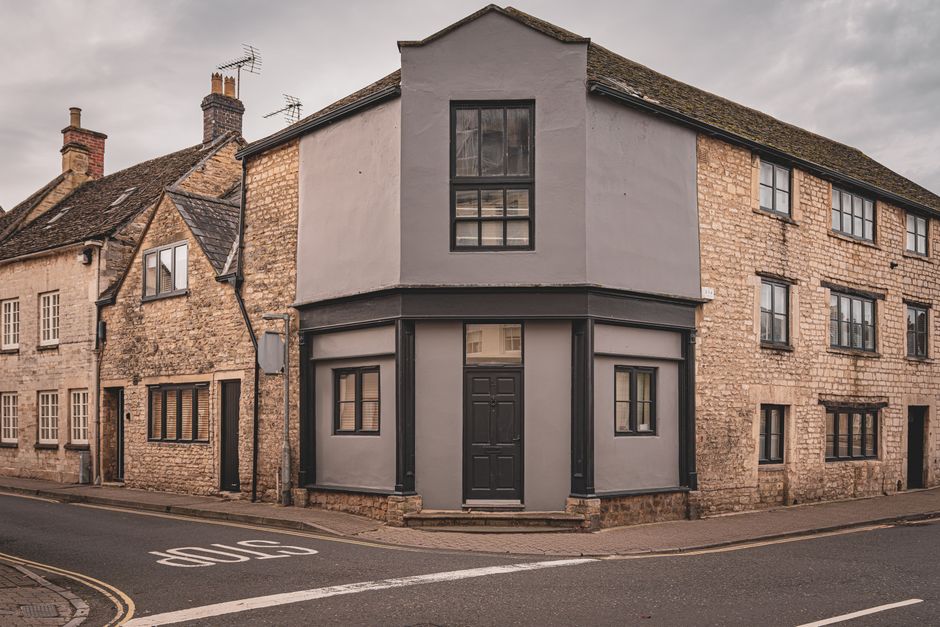
UK bungalows make up around 8-9% of the UK housing stock - 2 million+ homes, concentrated in coastal areas and seaside towns. If you're considering a heat pump for one, the good news is that the single-storey form factor + typically simpler heating layouts make these among the easier UK home types to retrofit. This guide covers what to think about before signing an install contract.
Why bungalows suit heat pumps
Four structural advantages over 2-storey houses.
Several bungalow characteristics make them heat-pump-friendly:
- Shorter pipe runs. All radiators on one floor means less pipework distance from the indoor unit to the furthest emitter. Lower heat loss in the pipework + better delta-T at the radiators.
- Simpler hydronic balancing. No vertical risers to balance, no thermosiphoning issues with the upper-floor circuit being undersupplied. The flow + return balance is easier to commission correctly.
- Easier outdoor unit siting. Bungalows typically have side gardens or rear gardens at ground-floor level; the outdoor unit doesn't need to clear a first-floor sill or face acoustic-issue neighbours over a fence.
- Lower domestic hot water demand in many cases (often single-occupant or couples in older-demographic bungalow ownership), so the heat pump's hot water tank doesn't need to be oversized.
Where bungalows can be more difficult
Three retrofit considerations that bite bungalows specifically.
1. Loft insulation is the biggest variable. Bungalows have a high roof-to-floor surface ratio - heat loss through the roof is a larger fraction of total heat loss than in a 2-storey house. Older bungalows (pre-1980s) often have only 100-150mm of loft insulation; modern guidance is 270-300mm. Upgrading from 100mm to 300mm typically cuts annual heat demand by 15-20% and means you can spec a smaller (cheaper) heat pump. Do the loft insulation FIRST.
2. Single-glazing in older bungalows. Many older bungalows retain original single-glazed windows. Replace before or in parallel with the heat pump install - heat pumps run efficiently at lower flow temperatures (45-55°C) and single-glazed windows make this hard to achieve a comfortable internal temperature.
3. Solid-floor heat loss. 1950s-1970s bungalows often have solid concrete floors with minimal insulation underneath. Adding under-floor insulation isn't trivial post-build - typically requires lifting the floor or installing insulated overlay on top (raises floor height + may require door trimming). Heat pump sizing should account for this if floor insulation isn't an option.
Sizing a heat pump for a bungalow
Three reference points + how to translate to your home.
Heat pump sizing depends on house heat loss (kW), which is calculated from floor area + insulation + window areas + occupant patterns. Rough reference points for UK bungalows:
- 2-bed bungalow, ~75 m², well-insulated: 5-6 kW heat pump. Examples: Cosy 6 (6 kW), Vaillant aroTHERM 5kW.
- 3-bed bungalow, ~100 m², average insulation: 6-8 kW heat pump. Examples: Vaillant aroTHERM 7kW, Nibe S2125-8.
- 4-bed dormer bungalow, ~140 m², older insulation: 9-12 kW heat pump. Examples: Vaillant aroTHERM 10kW, Nibe S2125-12.
These are starting points. The actual specification needs a proper MCS-style heat loss calculation done by the installer. The number that matters most isn't the heat pump's headline kW rating - it's whether the rated output at -2°C (UK design winter temperature) covers your home's calculated heat loss at the same temperature without needing the immersion-element backup.
Radiator considerations
Bungalow radiators often need upsizing - planning matters.
Heat pumps work most efficiently at lower flow temperatures (45-55°C) than gas boilers (60-80°C). The trade-off is that radiators emit less heat at lower flow temps - so to deliver the same room-warming output, radiators typically need to be larger (or supplemented with underfloor heating).
Three patterns common in UK bungalows:
- 1950s-1970s bungalows often have small original radiators sized for the high-flow-temp gas boiler era. Plan to upgrade 30-60% of radiators - typically the bedrooms + the largest living area - when installing the heat pump. Cost: GBP 150-400 per radiator including labour.
- 1980s-1990s bungalows often have larger original radiators that may need only 1-2 upsized (typically the largest living room). Less radiator-upgrade cost.
- Modern (post-2000) bungalows usually have appropriately-sized radiators already + may already be heat-pump-ready without upgrades.
A good installer will flag which radiators need upgrading as part of the survey; pre-budget GBP 500-2,000 for radiator work in older bungalows.
BUS grant + planning permission
Standard rules apply for bungalows - no special exceptions.
Boiler Upgrade Scheme (£7,500 grant): available for England + Wales bungalows replacing fossil-fuel heating (gas, oil, LPG) with air-source heat pump. No bungalow-specific exclusions - standard eligibility criteria. The UK gov BUS page has current rules.
Planning permission: heat pump outdoor units generally don't need planning permission under Permitted Development Rights, provided they're under 0.6 m³, more than 1m from the boundary, and not visible from the street on listed/conservation properties. Bungalows in conservation areas or AONBs may need Article 4 Direction check; rural bungalows in National Parks definitely need to check.
MCS certification: required for BUS grant eligibility. Any UK heat pump installer pursuing BUS should be MCS-registered as standard - confirm in the quote.
Realistic cost + timeline for a UK bungalow install
What a typical 3-bed bungalow project looks like.
Typical 3-bed UK bungalow heat-pump install (mid-2026 figures):
- Heat pump + cylinder + commissioning: GBP 11,000-14,000 pre-grant
- BUS grant (auto-deducted): -£7,500
- Net heat-pump cost: GBP 3,500-6,500
- Radiator upgrades (if needed): GBP 500-2,000
- Loft insulation upgrade (if needed): GBP 400-700
- Total realistic cost: GBP 4,400-9,200 for net out-of-pocket
- Timeline: 6-12 weeks from quote to commissioning (longer if radiator + insulation work is in scope)
Run cost: GBP 800-1,200/year on standard electricity rates (vs ~GBP 1,200-1,600/year for the gas boiler being replaced) or GBP 600-900/year on a heat-pump-optimised tariff like Cosy Octopus.