Heat Pump for 1970s Detached UK 2026
Heat pump for 1970s UK detached 2026: cavity wall (often unfilled), patio doors, panel radiators, modernisation gaps.
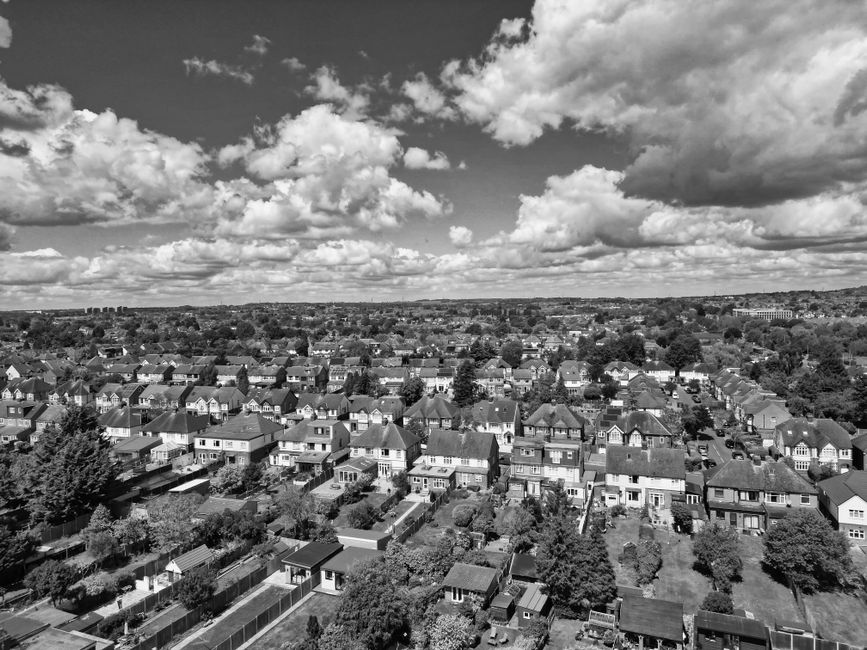
UK 1970s detached houses (~1.2 million) face heat pump install with mid-tier construction - better than Victorian but pre-modern insulation standards. This guide covers the priority upgrades + realistic install cost picture for these typical UK family homes.
Typical 1970s UK detached construction
Distinctive features affecting heat pump install.
UK 1970s detached houses (built ~1965-1980) share construction features:
- Brick cavity walls (50-75mm gap) - typically uninsulated originally; ~30-40% had cavity insulation retrofitted 1990s-2000s.
- Aluminum or wooden patio doors - large glazed area on principal elevation; often single-glazed original or replaced 1990s+.
- Pitched concrete-tile roof - lighter than slate; original loft insulation typically 75-100mm (low by modern standards).
- Suspended concrete floor ground level - uninsulated typically.
- Open-plan ground floor - large lounge/dining room with patio doors; fewer thermal breaks than older properties.
- Large picture windows on principal elevation - 1970s architectural style.
- Original panel radiators sized for 70-80C flow temp (1970s gas central heating standard).
Variability: 50+ years of modifications mean significant variation. Some properties largely original; others extensively modernised. Survey at install time confirms actual condition.
Cavity wall fill - the priority upgrade
Highest-impact single improvement for 1970s properties.
Unfilled 1970s cavity walls have U-value ~1.4-1.8 W/m2K (poor). Filled cavity = U-value 0.40-0.50 W/m2K (good). The single highest-impact thermal upgrade for 1970s detached.
Cavity wall fill install:
- Bonded bead or mineral wool injected via small holes drilled in mortar joints.
- Cost: GBP 800-1,500 typical for 1970s 3-bed detached.
- Install time: 1-2 days.
- Disruption: minimal (work from outside).
Heat demand reduction:
- Reduces heat demand by 1.5-2.5 kW at design conditions.
- Heat pump sizing reduction: from 8-9 kW required to 6-7 kW = ~GBP 1,500-2,500 saved on heat pump unit.
- SCOP improvement: ~0.2-0.4 points from lower flow temp.
If property already cavity-filled (1990s-2000s): verify quality at survey - some early cavity fills used inferior materials that degraded over time. Specialist inspection (GBP 100-200) confirms current performance OR identifies need for re-fill.
Patio door + picture window upgrade
Second-priority envelope upgrade.
State of 1970s detached glazing in current properties:
- Original aluminum single-glazed (~15% of 1970s stock): rare survivors; very high heat loss. Replace before heat pump install (GBP 2,500-5,000 for typical patio door + picture window combo).
- 1990s-2000s UPVC double-glazing (~70%): adequate; heat pump install doesn't require upgrade.
- Modern A-rated UPVC double or triple (~15%): excellent.
Glazing upgrade benefit:
- From single-glazed to double-glazed: heat demand reduction ~1.5-2 kW.
- Combined with cavity wall fill: 1970s detached can drop from 9 kW to 6 kW heat pump sizing.
- SCOP improvement enables lower flow temp operation throughout property.
Loft + floor insulation upgrades
Often-overlooked but valuable.
Loft insulation upgrade:
- 1970s lofts typically have 75-100mm insulation original. Upgrade to 270mm typical.
- Cost: GBP 400-1,000 typical 1970s 3-bed loft area.
- Often free via ECO4 / GBIS for eligible households.
- Saves ~1.5-2 kW heat demand + GBP 200-300/year running cost.
Suspended concrete floor insulation:
- 1970s detached typically suspended concrete with no insulation underneath.
- Retrofit insulation via subfloor access (if present) OR floor lift + insulate from above.
- Cost: GBP 1,500-3,500 typical install (significantly higher than suspended timber due to concrete + structural considerations).
- Marginal ROI vs cavity + glazing upgrades; typically deferred or skipped for 1970s detached.
Radiator strategy for 1970s panel radiators
Selective upgrade for low-flow-temp operation.
1970s panel radiators sized for 70-80C flow temp deliver only 50-60% rated output at heat pump's 35-45C flow. Two upgrade strategies:
- Selective upgrade (recommended): heat-loss calc identifies which rooms need oversized radiators (typically 3-5 rooms in typical UK 3-bed). Replace with K2 double-panel + fins. Cost: GBP 800-1,500.
- Full replacement: every radiator upgraded. Cost: GBP 2,500-4,000. Justified only for very poorly-insulated 1970s properties OR major renovation timing.
Specific radiator considerations for 1970s detached:
- Open-plan ground floor: living/dining room heat demand often 30-40% of total. Single large oversized radiator OR pair of K2s typically required.
- Bedrooms: smaller heat demand; original radiators sometimes adequate at heat pump flow temps.
- Bathroom: heated towel rail upgrade common (decorative + functional).
Outdoor unit siting - typical 1970s opportunities
Rear gardens generally accommodate easily.
1970s detached houses typically have advantages over older UK property for outdoor unit siting:
- Larger rear gardens: typically 10-15m deep vs 5-10m Victorian. Easier 4m+ neighbour separation.
- Driveways + side passages: most 1970s detached have side access enabling alternative siting + pipework routing.
- Garage: integral or detached garage common; some installations use garage corner siting.
- Concrete pad mounting: straightforward in rear garden; less aesthetic concern than period elevations.
- Distance from neighbours: larger plots typically support 4-5m+ from neighbour windows (good acoustic comfort).
Most 1970s detached heat pump installs use rear garden ground-mounted siting without complications. Planning permission typically not required (permitted development applies for non-conservation areas).
Cost framework - typical 1970s detached install
Standalone heat pump + full envelope work.
Standalone heat pump install (envelope already upgraded):
- Heat pump unit (7-9 kW R290): GBP 7,000-10,000.
- Indoor cylinder (250L) + plumbing: GBP 1,800-2,800.
- Selective radiator upgrades (3-5 radiators): GBP 800-1,500.
- Pipework + electrical + commissioning: GBP 1,500-2,500.
- BUS grant: -GBP 7,500.
- Net: GBP 3,600-9,300.
Full retrofit (envelope + heat pump):
- Cavity wall fill: GBP 800-1,500.
- Patio door/picture window upgrade (if needed): GBP 2,500-5,000.
- Loft insulation upgrade: GBP 400-1,000.
- Heat pump install (as above): GBP 11,100-16,800.
- BUS grant: -GBP 7,500.
- Combined envelope grants (ECO4 / GBIS): -GBP 0-3,000.
- Net total: GBP 7,300-13,800.
For properties already partly modernised (cavity-filled + double-glazed): standalone heat pump install at GBP 3,600-9,300 net is typical.
Realistic SCOP expectations
What's achievable for 1970s detached.
- Unimproved 1970s (unfilled cavity, single glazing, original radiators): SCOP 2.5-3.0. Aux heater contribution high; bills not significantly better than gas.
- Partial improvements (cavity fill + double glazing, original radiators): SCOP 3.0-3.5. Reasonable performance; bills 10-15% lower than gas on smart tariff.
- Full envelope + selective radiator upgrades: SCOP 3.5-4.0. Excellent for property age; bills 20-30% lower than gas.
- Full envelope + UFH retrofit (rare in 1970s): SCOP 4.0+. Approaches modern build performance but expensive retrofit.
For 1970s detached, focus on cavity wall fill + glazing first (highest impact / lowest cost). Heat pump install then targets the upgraded property.