£2,500 Air-to-Air Heat Pump Grant: UK 2026 Eligibility
The £2,500 air-to-air heat pump grant launched 28 April 2026 under BUS. Who qualifies, how to apply, and how it differs from the £7,500 grant.
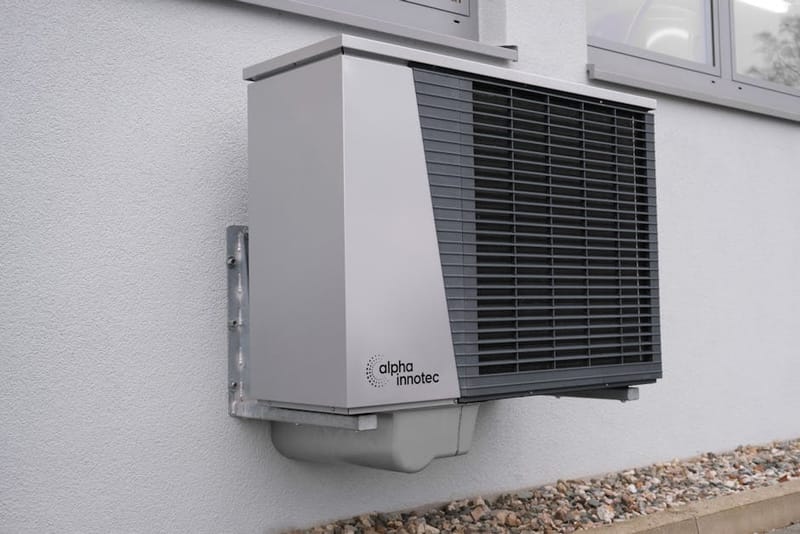
The £2,500 air-to-air heat pump grant went live on 28 April 2026 as a new strand of the Boiler Upgrade Scheme. It is ring-fenced for properties currently heated by direct electric systems - storage heaters, electric panel radiators, or direct electric underfloor heating - and applies in England and Wales. It is not a separate grant programme; it is an addition to BUS, claimed in exactly the same way and on the same terms.
The headline numbers are simple. Air-to-water heat pumps still attract the existing £7,500 grant. Air-to-air systems - the kind that look like split-system air conditioners and heat or cool the air directly rather than producing hot water - now get £2,500. You can only claim one grant per property, so households are not picking between routes; they are picking the route their current heating system allows.
What is the air-to-air heat pump grant?
A new BUS strand for direct-electric homes
The grant is £2,500 off the cost of installing an air-to-air heat pump in a residential property. It was introduced in the BUS Guidance v5 changes that took effect on 28 April 2026, alongside the £9,000 oil/LPG uplift and the removal of the long-standing EPC outstanding-insulation rule. The wider Boiler Upgrade Scheme has also been extended to 2030.
Air-to-air systems differ from the more familiar air-to-water heat pumps in one important respect: they heat and cool the air in rooms directly via indoor fan units, rather than producing hot water for radiators or wet underfloor heating. The hardware is essentially the same as a domestic air-conditioning system, which is why the grant is sometimes referred to in the trade press as "air-conditioning" funding. The Department for Energy Security and Net Zero (DESNZ) is treating it as a heat pump grant because in heating mode the unit moves heat from outside air into the home with a coefficient of performance well above 1, the same physics that makes air-to-water heat pumps efficient.
Who qualifies for the £2,500 grant?
Ring-fenced to direct-electric homes
The eligibility rule that trips most people up is that the £2,500 air-to-air grant is restricted to properties whose existing primary heating is direct electric. A home currently heated by a gas combi, an oil boiler, or an LPG boiler is not eligible for this grant - those households should look at the £7,500 air-to-water grant, or the £9,000 uplift for off-mains-gas oil and LPG replacements documented on the £9,000 BUS grant page.
Direct electric heating is the catch-all term for systems that convert electricity to heat at the point of use with no heat pump multiplier. According to the BUS guidance, that includes outdated night-storage heaters, electric panel radiators (sometimes branded as "smart" or "German" panel radiators), electric resistive underfloor heating mats, and immersion-only hot water systems where the immersion is also the primary space heating source.
Storage heaters (Economy 7 / Economy 10) as primary heating
Eligible - the classic direct-electric retrofit case the grant was designed for.
Electric panel radiators on every floor
Eligible - a single-split or multi-split air-to-air swap is well-matched to this profile.
Electric resistive underfloor heating
Eligible - including bathroom and kitchen mat systems where they are the room's primary heat source.
Mains gas combi or system boiler
Not eligible for this grant - apply for the £7,500 air-to-water grant instead.
Oil or LPG boiler
Not eligible - but you may qualify for the £7,500 air-to-water grant or the £9,000 oil/LPG uplift.
Existing heat pump or low-carbon system
Not eligible - BUS cannot fund a replacement of a low-carbon system with another one.
Where the grant applies (and where it doesn't)
England and Wales only
The Boiler Upgrade Scheme covers England and Wales. The £2,500 air-to-air grant therefore applies in both nations, with one caveat covered below on outdoor-unit siting under permitted development.
Scotland is not in scope. Scottish homeowners use the Home Energy Scotland Heat Pump Loan - an interest-free loan of up to £7,500 over 12 years, with cashback in some cases where the installation replaces an oil or LPG system. Air-to-air systems are not currently in scope for Home Energy Scotland's loan as of the 2026/27 round; check the Energy Saving Trust's Scotland portal for the latest position.
Northern Ireland has no general-homeowner equivalent. The Affordable Warmth Scheme operates there but is means-tested at a household income below £23,000, and the funded measures are weighted toward insulation rather than heat pump installation.
How to apply
The installer does the paperwork
The April 2026 changes moved BUS away from the older voucher-rebate process. Under the new model, the homeowner does not apply directly to Ofgem and does not wait for a cheque. Instead, an MCS-certified installer claims the grant on the homeowner's behalf and deducts it from the invoice, so the up-front cost falls by £2,500.
Confirm your current heating system qualifies
Storage heaters, electric panel radiators, or electric underfloor heating as the home's primary heating. If you have any fossil-fuel boiler, this grant is not for you - see the £7,500 air-to-water route instead.
Get quotes from MCS-certified installers
The Microgeneration Certification Scheme accreditation is mandatory for BUS-funded work. Aim for two or three quotes covering both single-split (one outdoor unit, one indoor) and multi-split (one outdoor unit, multiple indoor) configurations so you can compare like-for-like.
Confirm the system meets BUS efficiency rules
Installed systems must clear the BUS minimum efficiency standards and individual systems must be 45kWth or smaller. For a typical residential property this is comfortably within range - flats and small houses rarely need more than 10kWth.
Installer claims the grant and deducts it from your invoice
You pay the discounted price up front. The installer handles the Ofgem voucher administration. If the installer is unfamiliar with BUS air-to-air applications, ask them to confirm in writing before you commit - the air-to-air strand is still new and not every installer is on top of the documentation.
Where an air-to-air heat pump makes sense
Best-fit property profiles
The £2,500 grant is calibrated to the typical air-to-air install cost (£3,500–£8,000 depending on number of indoor units), which makes the post-grant price competitive with replacing a tired storage-heater setup like-for-like. Some scenarios it is genuinely well-suited to:
- Small flats with storage heaters. A single-split or two-room multi-split removes the storage-heater footprint, eliminates the Economy 7 night-rate dependency, and adds cooling for the summer.
- Holiday lets and second homes. Direct-electric heated holiday properties benefit from the lower running costs and the cooling capability, which is increasingly a competitive feature on listing sites.
- Granny annexes and home offices. Single-zone heating and cooling without disturbing the main house's wet system, and without needing space for a hot-water cylinder.
- Static or holiday-park homes (where allowed). Permitted development rules vary; check with the park operator before specifying.
For households who want a single solution that also heats their hot water, an air-to-water heat pump on the £7,500 grant remains the better fit - see our heat pump suitability guide for the wider decision.
Limitations to factor in
Three things air-to-air cannot do
No hot water. Air-to-air systems heat and cool air only. Households will still need a separate hot water solution - typically an existing immersion-heated cylinder, an instantaneous electric heater, or a small heat-pump cylinder added later.
No retained Economy 7 advantage. Households on Economy 7 currently get a discounted overnight rate that storage heaters exploit. An air-to-air heat pump runs whenever heating is needed, so the time-of-use savings disappear unless paired with a small thermal store or a smart-tariff like Octopus Cosy or Octopus Heat Pump tariffs.
One grant per property. The £2,500 air-to-air grant and the £7,500 air-to-water grant cannot be combined on the same home. If a property might one day want a wet underfloor or radiator-based heat pump retrofit, taking the air-to-air route now closes off the larger grant for the same address.
How the £2,500 grant fits with permitted development changes
Outdoor unit siting got easier in England
Alongside the BUS v5 changes, England's permitted development rules for outdoor heat pump units were relaxed in 2026. The previous 1-metre boundary setback rule was removed, so outdoor units can now be sited flush against a property boundary without the householder needing a separate planning application. This matters in particular for terraced and semi-detached homes where the only realistic placement for the outdoor unit was a narrow strip down the side of the property.
Wales has not made the same change. The 3-metre boundary setback remains in force at the time of writing, which often means a planning application is required for terraced Welsh properties. Confirm the current Welsh position with your installer before signing a quote; the rules are under active review.
For full coverage of the permitted-development side, see the heat pump planning permission topic in our suitability cluster.
Frequently asked questions
When did the £2,500 air-to-air heat pump grant launch?
Can I claim the £2,500 grant if I have a gas boiler?
Can I combine the £2,500 grant with the £7,500 air-to-water grant?
Does the grant cover both heating and cooling functions?
Do I need an EPC to claim the £2,500 grant?
Does an air-to-air heat pump heat my hot water?
Is the £2,500 grant available in Scotland or Northern Ireland?
How is the grant paid?
Working out which BUS grant fits your home?
Compare the air-to-air, air-to-water, and £9,000 oil/LPG routes side-by-side in our 2026 Boiler Upgrade Scheme guide.